Zach Veigulis on Networth & Chill: How to Fight a Denied Insurance Claim

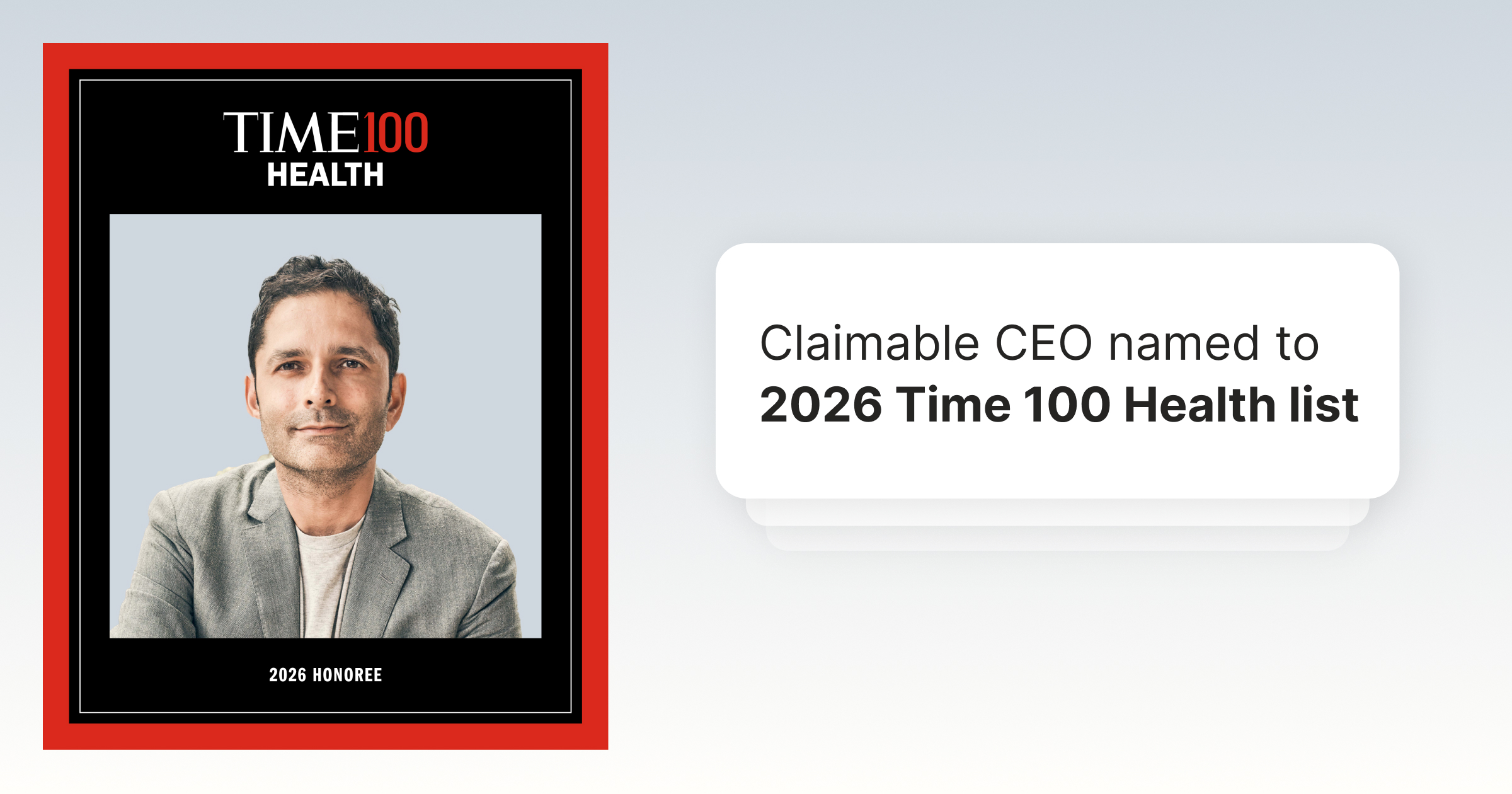
Zach Veigulis, co-founder and Chief AI Officer of Claimable, recently joined Vivian Tu — the former Wall Street trader millions know as Your Rich BFF — on her podcast Networth & Chill.
Vivian built her platform on the idea that money advice should be for everyone, in plain language. She reached out because a denied insurance claim is one of the most common financial shocks an American family can face, and most people have no idea how to fight back. The conversation covered a lot of ground. Here are the moments worth carrying with you.
The system is working exactly as designed
Health insurance began during the Great Depression as a billing arrangement: Baylor Hospital in Texas let Dallas teachers pay 50 cents a month for hospital care so the hospital could keep its doors open. Nearly a century later, roughly 5 billion claims are submitted each year across commercial and government insurance. Nearly 1 billion get denied and fewer than 1% of those denials are ever appealed. As Zach put it on the show, the insurer is betting you’ll walk away. The math keeps working in their favor for exactly as long as patients stay quiet.
A denial letter is an opening offer, not the last word
The letter is written to look final. It reads like a closed door. But patients who appeal win far more often than they lose — at Claimable, more than 80% of our appeals succeed. Zach walked Vivian’s audience through how to push back, and the steps are more straightforward than most people expect.
Start by reading your denial letter closely. Insurers are legally required to send one, and it has to spell out the reason for the denial, your appeal rights, and your deadline. Find that deadline immediately, because it drives everything that follows. Most commercial plans give you 180 days, though some windows are shorter. From there, file your internal appeal — and if your situation is urgent, request an expedited review, which can force a 72-hour response instead of the standard 30 days. If the internal appeal fails, request an external independent review. That reviewer doesn’t work for your insurer, which is a large part of why external reviews overturn denials more often than people realize.
The words that change the outcome
Zach also shared the specific language that gets an appeal evaluated correctly. If your drug isn’t on the formulary, ask for a “formulary exception.” If you’re being moved off a medication that’s already working for you, ask for a “continuity of care exception” so there’s no gap in coverage while your appeal is decided. The biggest mistake he sees is the generic appeal letter. Every denial gives a reason, and that reason tells you exactly which argument will beat it — a formulary exclusion demands a different response than a “not medically necessary” ruling, and treating them the same is how winnable appeals get lost.
What this looks like for a real patient
Zach told the story of a woman in her 50s, a stay-at-home parent who survived Stage IV melanoma and then developed severe inflammatory arthritis as a result of her cancer treatment. She couldn’t climb stairs or grip a steering wheel, and four board-certified specialists recommended the same drug to treat it. Her insurer denied it three times over nine months. Claimable prepared a 23-page appeal citing her doctors, the clinical guidelines, and the inconsistencies in the insurer’s own written policies, with copies sent to federal and state regulators. The denial was reversed in 48 hours — after nine months of fighting, it was over in two days, and the insurer issued a formal apology.
Where Claimable comes in
Most people don’t know they can appeal, and many who do don’t know how to do it correctly. Claimable exists for exactly those situations, where access to care can be genuinely life-or-death. Patients upload their denial letter, answer questions about their health story, and Claimable generates a customized appeal backed by clinical evidence and policy analysis. The whole process takes under 30 minutes, at a flat $39.95 per appeal with no success fee.
Our thanks to Vivian and the Networth & Chill team for making room for this conversation. The more people who know their rights, the faster that giving-up math stops working.
Watch the full episode on YouTube here.
Frequently asked questions
How long do I have to appeal an insurance denial?
Most commercial plans allow 180 days from the date of your denial for an internal appeal, but some windows are shorter, so check your denial letter for the exact deadline. Urgent situations may qualify for an expedited review with a much faster response.
What is an external independent review?
If your internal appeal is denied, you can request a review by an independent third party who doesn’t work for your insurer. Because the reviewer is independent, external reviews overturn denials at meaningful rates.
What’s a continuity of care exception?
It’s a request to keep you on a medication that’s already working while your appeal is decided, protecting you from a gap in coverage during a non-medical switch.
Do I have a better chance appealing myself?
Patients often have stronger legal protections and more review levels available than they realize, and appeal success rates rise sharply when the appeal is built around the specific reason for the denial and backed by clinical and policy evidence.
Be the first to know
Get the latest updates on new tools, inspiring patient stories, expert appeal tips, and more—delivered to your inbox.
You're on the list!