Resources

Latest Posts

Annual Awards Recognize Innovative Companies and Projects Addressing the World’s Most Urgent Challenges
Recognition Follows Claimable’s Launch of GLP-1 Support, Helping Patients Navigate One of the Most Denied Treatments in the U.S.
Sacramento, CA - [June 10, 2025] - Claimable is proud to announce that it has been named to Fast Company’s 2025 World Changing Ideas Awards list. This annual recognition honors bold and transformative efforts that tackle the world’s most pressing issues—from fresh sustainability initiatives and cutting-edge AI developments to ambitious pursuits of social equity helping mold the world.
Every year, 850 million healthcare claims are denied, forcing millions of Americans to choose between medical care and financial stability. Claimable is tackling this healthcare crisis with the first AI-powered appeals platform, helping patients and providers fight back against unjust denials. Patients upload their denial notice and insurance information, answer a few questions, and Claimable does the rest, analyzing clinical research, policy details, appeals data, and their unique medical story to generate and submit a customized appeal in minutes.
This year’s awards showcase 100 outstanding projects. A panel of Fast Company editors and reporters selected the winners from a pool of more than 1,500 entries and judged applications based on their impact, sustainability, design, creativity, scalability, and ability to improve society.
“The World Changing Ideas Awards have always been about showcasing the art of the possible,” says Fast Company editor-in-chief Brendan Vaughan. “We’re proud to recognize the organizations and leaders that are making meaningful progress on the biggest issues of our time.”
Since launching in late 2024, Claimable has recovered nearly $6 million for patients, boasting an over 80% success rate across more than 70 commonly denied treatments, including autoimmune and migraine medications, IVIG for children with PANS/PANDAS, and now GLP-1s for obesity and type 2 diabetes. For the millions facing treatment delays or crushing medical debt, Claimable offers hope, making the appeals process simple, fast, and effective, getting patients the care they deserve.
“We’re using AI to solve a deeply human problem,” said Claimable Co-Founder and Chief AI Officer Zach Veigulis. “Fast Company’s recognition reinforces what we’ve always believed at Claimable, that AI can be used to make life better. At a time when technology is often used to cut costs and deny care, we’re proving it can expand access and return power to patients.”
This recognition comes as Claimable expands its impact with support for GLP-1 medication appeals. One of today's most denied treatment categories, GLP-1s like Ozempic, Mounjaro, Zepbound, and Wegovy have transformed care for people with obesity and type 2 diabetes. However, patients are often denied access due to formulary exclusions, overly restrictive eligibility criteria, or insurer mandates to “fail first” on older or less effective treatments. With over 137 million U.S. adults now eligible for GLP-1 support, Claimable offers patients and providers a purpose-built solution designed to overcome the unique challenges of GLP-1 coverage denials.
"Insurance denials aren't just a paperwork issue, they're a public health crisis hiding in plain sight," said Alicia Graham, co-founder and COO at Claimable. "While others patch old systems, we're building something entirely new. We're reimagining how healthcare access should work, using technology to turn the tables on a system that's stacked against patients. That's why we've built Claimable alongside the people most affected: patients and providers. Our platform works because it doesn’t just make appeals faster, it makes them smarter, giving people the best chance to win."
Claimable is available nationwide and accepts denials from all insurance providers, including Medicare, Medicaid, United Healthcare, Anthem, Aetna, Cigna, and BCBS plans. To learn more about Claimable and all the treatments they support, visit www.getclaimable.com.
###
ABOUT CLAIMABLE
Claimable revolutionizes the way patients and providers fight healthcare denials, helping ensure everyone has access to the care they need and the coverage they deserve. The platform leverages purpose-built AI to analyze clinical research, policy details, appeals data, and patients’ unique medical stories, generating and submitting customized appeals in minutes. Claimable is available nationwide, accepting denials from all insurance providers, including Medicare and Medicaid. A NVIDIA Inception Program member, Claimable continues to push the boundaries of AI innovation in healthcare. For more information: www.getclaimable.com.
Contact:
Emily Fox
At Claimable, we believe healthcare should reflect the best of what we know—not be constrained by inertia, stigma, or financial incentives that prioritize profit over patient care.
Right now, that belief is being tested. Patients eligible for GLP-1 medications are being denied coverage—denials often based on arbitrary criteria that ignore clinical guidelines and FDA approvals. As the science accelerates, coverage is moving in the opposite direction—not because the evidence has changed, but because the rebate math doesn’t work for payers.
That’s why we’re expanding our platform to support appeals for GLP-1s. We already know that the conditions they treat are urgent—affecting over half of US adults and driving a disproportionate share of preventable healthcare costs—and with compounded versions of these medications unavailable as of May 22nd, the need is more pressing than ever.
What the science is telling us
GLP-1s have evolved far beyond their original use for type 2 diabetes and weight loss. Today, they are FDA-approved not only for managing blood sugar and reducing body weight, but also for treating obstructive sleep apnea and lowering the risk of serious cardiovascular events like heart attacks and strokes.
In advanced stages of clinical review, GLP-1s are also showing promise for treating metabolic dysfunction-associated steatotic liver disease (MASLD), chronic kidney disease (CKD), pre-diabetes, diabetic retinopathy and osteoarthritis of the knee (in patients with obesity).
And the emerging science is even more far-reaching. Early research suggests that GLP-1s may play a role in reducing neuroinflammation associated with Alzheimer’s, Parkinson’s and dementia; curbing addictive behaviors tied to substance use; improving symptoms of irritable bowel syndrome (IBS), and even impacting certain types of cancer. The list of ways these medications can change — and save — lives is profound and growing fast.
For many of us, this isn’t just promising science. It’s deeply personal.
One area that strikes particularly close to home for me is metabolic dysfunction-associated steatotic liver disease (MASLD) —a condition that affects nearly a third of U.S. adults and has no approved treatment. I lost my father to complications of diabetes, including MASLD. By the time he was diagnosed, he was already suffering from liver failure. A catastrophic upper gastrointestinal bleed and emergency medical evacuation followed. It was marked by a single week that aged me years.
If therapies like this had been available earlier—maybe it would have changed the outcome.
These medications don’t just improve quality of life — they help prevent the cascade of complications that make care more expensive, less effective, and harder to access. A recent analysis of over 50 million insured lives found that GLP-1 users experienced 44% fewer hospitalizations for major cardiovascular events, and healthcare spending rose at just half the rate of similar non-users by year two.
When people stay healthier longer, it means fewer emergency interventions, fewer disability claims, and more stable, productive lives.
As new treatments emerge, access to GLP-1s is slipping away.
GLP-1s are no longer just a type 2 diabetes or weight loss drug. They represent a platform therapy with far-reaching potential across some of the most costly, intractable diseases in healthcare—and yet, access is moving in the wrong direction.
Statins. Insulin analogs. SGLT2 inhibitors. Each faced early resistance. Each is now a pillar of care. GLP-1s are on the same trajectory—but patients can’t afford to wait years for coverage to catch up.
The barriers to coverage aren’t scientific. They’re systemic. And these delays and denials don’t just hurt patients. They affect providers, employers, and the healthcare system as a whole.
With compounded versions of branded GLP-1s off the market as of May 22, 2025, affordability has collapsed. Direct-pay options run $400 to $700 a month—pricing out the majority who should qualify for initial or continued treatment. Copay cards and assistance programs offer temporary relief—but they’re not available to everyone, and they don’t solve the broader access problem.
Those who attempt to gain coverage face increasingly restrictive and often arbitrary criteria. From BMI requirements that far exceed standard criteria, to mandating costly weight management programs and shrinking approval windows from 12 months to just one, new barriers are being constantly invented and implemented to limit access.
Turning evidence into access—one appeal at a time.
At Claimable, we help patients push back. We handle the administrative burden—challenging denials, navigating appeals, and ensuring every request is grounded in current science, regulatory precedent, and standard of care.
GLP-1s are the next frontier in chronic disease prevention. But for patients to benefit, access must match the evidence.
The dream is to prevent people from becoming patients, to keep them present in their lives.
We’re here to make that happen— appeal by appeal. We’re ready to go.
Warris Bokhari
CEO, Claimable
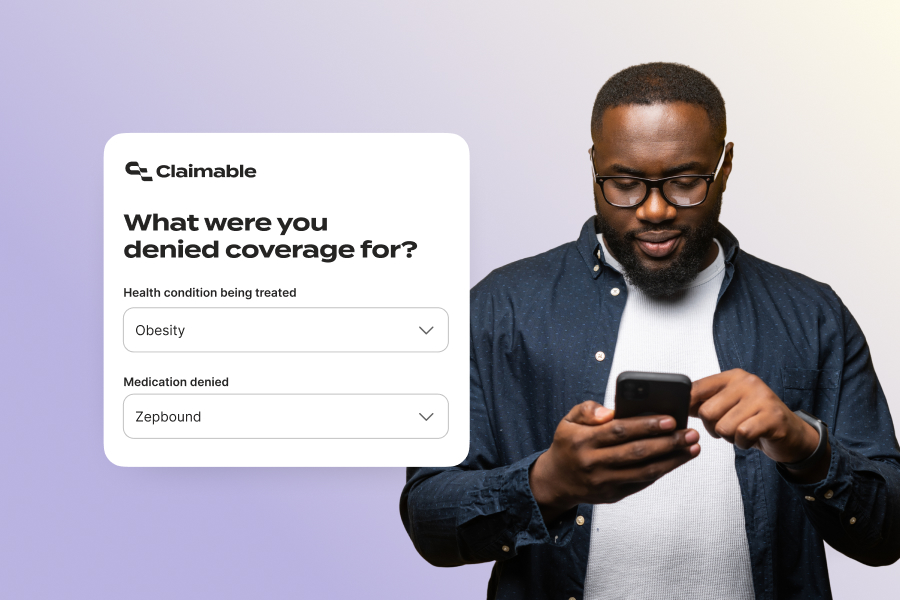
We're in the middle of a major shift in how we treat obesity, diabetes, and metabolic disease. GLP-1s have changed the game. But as usual, the people who need these medications most are being blocked—not by science, but by insurance red tape.
Coverage decisions vary wildly—and they're changing fast. What your plan covers today might change next quarter. What was approved for a friend may be completely denied for you. Some plans require extreme BMI thresholds. Others won't count progress if you paid out-of-pocket. And many still exclude GLP-1s entirely for weight loss, regardless of your health risks or clinical need.
Over the past several months, we've dug deep into this rapidly developing landscape—reviewing hundreds of real-world denials, studying shifting coverage criteria, and collaborating with patients, providers, and advocates to understand what actually works when it comes to securing insurance coverage for GLP-1s. We've built an appeals system that not only reflects the reality of this fight—but helps people win it.
No paperwork. No hold music. No fax machines. Just a simple, powerful way to get your appeal in motion—with the right evidence, the right strategy, and into the right hands. So you can get back to focusing on what matters: Your health.
Read on for the most common challenges with GLP-1 coverage, and what you can do if you get denied. And if you haven't already, you can read more about why this medication matters in this letter from our CEO.
Common GLP-1 Coverage Questions (And How We Help)
- How do I qualify for a GLP-1 prescription?
- Why did my insurance stop covering my GLP-1 after it was working?
- Can I switch from a compounded GLP-1 to a brand-name one?
- What can I do if my insurer forces me to switch medications?
- My plan says GLP-1s aren't covered - can I still appeal?
Getting Coverage for a New GLP-1 Prescription
The challenge: Insurers often require you to meet extreme and unreasonable criteria, which can feel like an impossible bar to clear.
Whether you're starting Wegovy, Zepbound, or Mounjaro, getting your first prescription covered can feel like hitting a moving target. That's because more than half of all plans with GLP-1 coverage apply criteria that are more restrictive than FDA guidelines— and criteria are changing every few months.
Some plans require BMIs as high as 40 (when the FDA standard for eligibility is 30) or multiple co-morbidities like cardiovascular disease, hypertension and obstructive sleep apnea. Others demand months of participation in a costly weight management program before considering medications. Many limit approval to just a few months, with no guarantee of continuation. And some plans require you to fail on ineffective treatments before they'll cover what actually works—which could put your health at risk.
How we fight it:
A clear, evidence-backed appeal, personalized to your unique health story and insurance policy, is key to getting coverage. When you appeal through Claimable, we show:
- How you meet the standard criteria: BMI, A1c, co-morbidities, lifestyle changes.
- Why restrictive requirements—like excessive documentation or arbitrary program rules—don't reflect medical necessity, clinical standards or applicable laws.
- Why step therapy or "preferred" drugs aren't safer or better for you.
A denial doesn't mean you don't qualify. It means the insurer wants you to give up. With the right appeal, we're here to make sure you don't.
Continuing Coverage When You're Making Progress
The challenge: Once you see success on a GLP-1, insurers can use it as justification to stop covering you.
When a GLP-1 is working, you know it: weight is coming down, blood sugar is steady, and related conditions—like high blood pressure or sleep apnea—are improving. But instead of that progress ensuring continued access, insurers often use it as a reason to demand new paperwork—or worse, to cut you off.
FDA guidance allows up to a year to demonstrate a 5% weight loss. But some plans push for three times that weight loss in one-third the time—setting unrealistic, and potentially unsafe, targets that deny care despite clear clinical benefit. Insurers claim your progress means you no longer need treatment. And if your GLP-1 journey hasn't been a straight line, your coverage could disappear altogether.
That's where we come in.
How we fight it:
We're here to make sure your progress counts—and keeps counting. Claimable's continuation appeals includes four key arguments to keep you on track.
- Highlight your progress—weight loss, A1C improvement, better sleep, lower blood pressure, and other real clinical gains.
- Clarify gaps and changes—like switching from compounded meds, adjusting your dose, or managing prior authorization delays.
- Hold insurers accountable—to medical guidelines, continuity of care protections, and coverage terms that support ongoing treatment.
- Ensure your plan follows fair, consistent policies—challenging short approval windows, moving goalposts, and arbitrary rules that ignore your rights.
If your medication is working, you shouldn't have to fight harder just to keep going.
Switching from Compounded To Brand-Name
The challenge: As of May 22, 2025, compounded copycat GLP-1s are off the market. Getting covered for the branded version of your exact same meds? Not so easy.
While branded GLP-1s were in shortage, many compounding pharmacies offered lower-cost alternatives that proved to be very popular, with an estimated 2-4 million Americans prescribed a compounded GLP-1. Now that the FDA-declared shortage has ended, those pharmacies are no longer permitted to produce copies of brand-name drugs like Wegovy or Zepbound.
Compounding pharmacies can still prescribe and produce custom formulations when medically necessary, but these medications come with risks. They don't go through the same rigorous safety and efficacy testing as FDA-approved drugs, which means they could increase health risks or be less effective.
Now, many patients are being told they don't qualify for coverage of a branded GLP-1 — even if they would have qualified initially and the compounded version was working well.
Common barriers include:
- You've already lost weight and no longer meet the starting BMI requirement.
- Your insurer won't count your cash-pay or compounded treatment history.
- You're using a GLP-1 to manage conditions like sleep apnea or cardiovascular disease — and insurers are ignoring the full picture.
How we fight it:
We build personalized appeals to make your case — showing medical necessity, continuity of care, and the real-world value of staying on treatment. Your right to access a compounded medication during the shortage was protected. Your full medication history should count now, too.
You shouldn't have to start over — or pay $400 to $700 out of pocket — just because the rules changed.
Fighting Forced Switches
The challenge: You know what works. Your insurer wants to change it.
More and more patients are being forced to switch GLP-1 medications—not because of medical need, but because insurers want to cut costs or capture rebates. These non-medical or formulary switches happen when a payer—not your provider—chooses your medication based on their bottom line.
For example: CVS Caremark recently dropped Zepbound from its formulary, pushing millions of patients to switch to Wegovy starting July 1.
These switches often have nothing to do with your health, and sometimes they don't even lower your costs. Instead, they can disrupt care, increase side effects, and lead to worse outcomes.
GLP-1 medications in particular are sensitive to disruption. Patients and providers often spend months carefully titrating to the right dose. Restarting with a new medication can trigger setbacks, new side effects, and reduced effectiveness. And medications like Zepbound and Wegovy aren't interchangeable—they have different mechanisms of action, indications, and side effect profiles.
If your current GLP-1 is working and well-tolerated, there may be no clinical reason to change. That decision should stay between you and your provider—not your insurer.
How we fight it:
Claimable helps you push back with a personalized appeal—built to preserve the treatment that's working for you (and your wallet). Our forced-switch appeals:
- Make a continuation of care case, showing how switching could harm your progress,especially with medications that require careful titration.
- Highlight clinical differences between your current and proposed medication to demonstrate they aren't interchangeable.
- Surface real-world evidence of your stability, symptom improvements, and the risks of disruption.
- Challenge the lack of medical justification for switching patients who are stable and responding well.
- Frame fiduciary risks under ERISA for the majority of employer-based plans that are self-funded.
- Flag legal and ethical concerns, particularly in states with protections against non-medical switching.
How to Appeal Plan Exclusions or "Not Covered"
The challenge: More and more plans are excluding GLP-1s from coverage.
If your denial says weight loss medications are "not a covered benefit," you're likely dealing with a plan exclusion—one of the hardest types of denials to fight. These exclusions are written directly into your insurance contract, often banning coverage for weight loss medications across the board—or blocking specific drugs like Zepbound or Wegovy—regardless of medical need.
The tough truth? About half of all health plans exclude GLP-1s for weight loss.
The silver lining? Most people with obesity also have another condition that GLP-1s are approved to treat—like type 2 diabetes, cardiovascular disease, or sleep apnea. And new FDA indications are being added all the time.
How we fight it:
Even if your plan excludes weight loss treatment, there are still ways to push back:
- Resubmit with a different diagnosis, if one applies.
- Request a formulary exception, especially if no equivalent alternative exists.
- Ask for a continuation of care exception, especially if you were previously covered—many states require it.
- Ask your employer to change or override the policy if you're on a self-funded plan.
Tip: Most large employers self-fund their plans, which means leadership—not the insurer—has the final say and a fiduciary duty to act. - File a complaint or consult a lawyer if your plan was misleading during enrollment.
Tip: Misrepresentation, breach of contract, or unfair practices may violate consumer protection laws
These appeals are harder to win—but not impossible. And the policy landscape is shifting fast. Lawsuits, new guidance, and growing public pressure are forcing insurers to reconsider blanket exclusions.
The Bottom Line
GLP-1 medications are transforming lives—but too often, access depends on your paperwork, not your progress or potential.
Insurers are hoping the red tape wears you down. That you won't appeal. That you'll switch, stop, or give up.
At Claimable, we're here to make sure you don't.
Whether you've been denied, dropped, or told you're not covered, we'll help you fight back—with expert strategies, AI-powered tools, and appeals tailored to your unique medical story and your plan's real rules.
Because you deserve access to the treatment that's working.
Because your health shouldn't hinge on fine print.
Because one denial shouldn't be the end of your story.
Featured stories


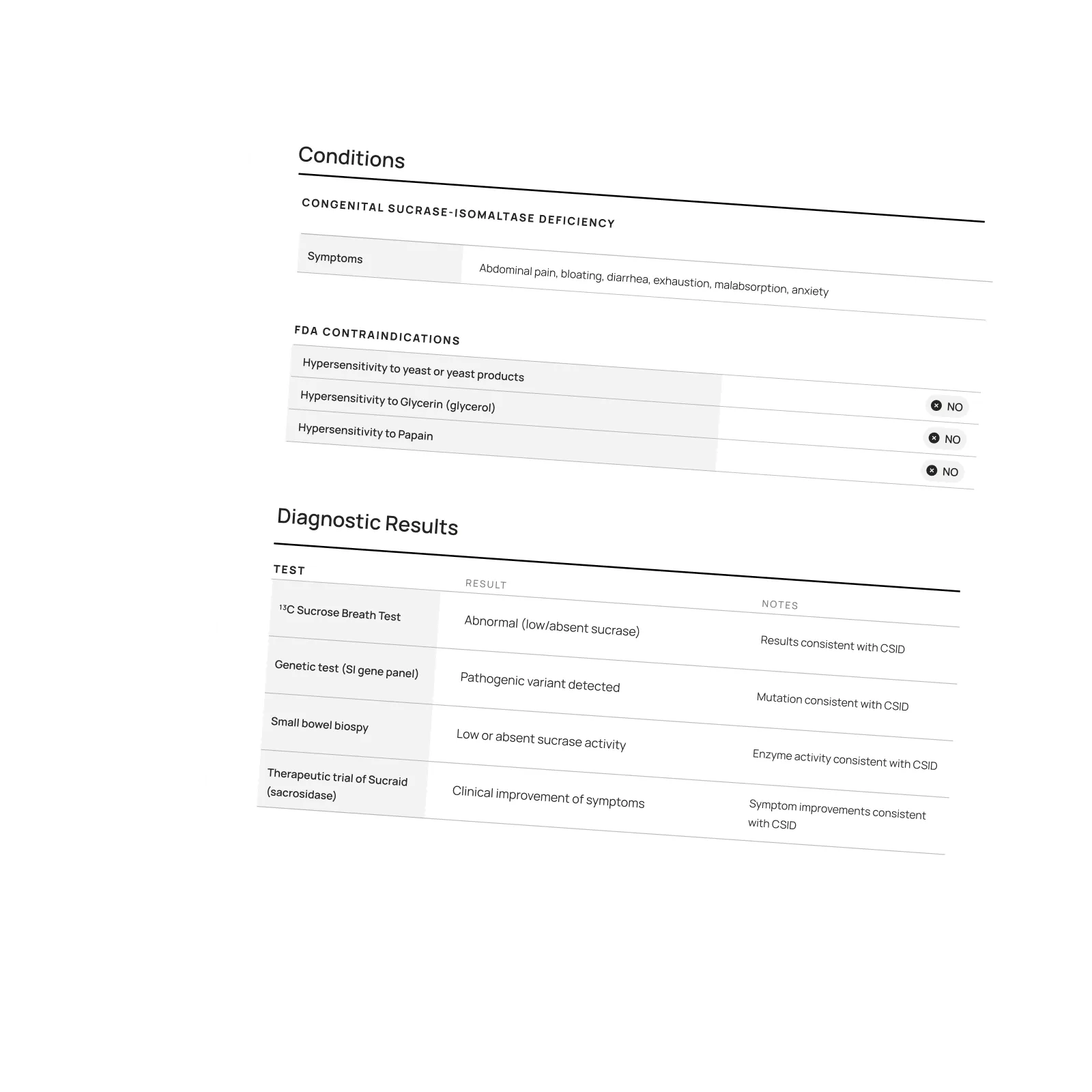
Download a winning sample appeal
Want to see what it takes to successfully overturn a health insurance denial? Download our sample appeal to learn how we build strong, evidence-based cases that get results.
///////////////////////////////////////////////////////////////////////
//////////////////////////////////////////////////////////////////////////
////////////////////////////////////////////////////////////////////
/////////////////////////////////////////////
Each month, I endure about eight major episodes, each one leaving me exhausted, unable to concentrate, and too unwell to take part in daily life.
The frequency and unpredictability of these symptoms have isolated me socially and limited my capacity to take part in activities most people take for granted.
///////////////////////////////////////////////////////////////////////
//////////////////////////////////////////////////////////////////////////
////////////////////////////////////////////////////////////////////
/////////////////////////////////////////////
Be the first to know
Get the latest updates on new tools, inspiring patient stories, expert appeal tips, and more—delivered to your inbox.
You're on the list!

One of our core principles is to help patients protect their rights and level the playing field with their insurance company. This includes rights to multiple appeals, fair reviews, decision rationale, exceptions when needed, and adequate network access, among others. For more, read our post on patients rights.
For many medications, there's no cost to use Claimable to appeal for qualifying patients – thanks to our network of support partners working to expand access to care.
If you aren't eligible for a no cost appeal, Claimable charges a flat fee of $39.95 + shipping. One simple, straightforward price – no success fees or hidden charges. If appealing with Claimable is unaffordable for you, visit our nonprofit partner Coverage Fund.
Check how much Claimable will cost for your specific situation by starting an appeal and entering your insurance information. So you always know what to expect ahead of time – no surprises.
Claimable’s AI-powered platform analyzes millions of data points from clinical research, appeal precedents, policy details, and your personal medical story to generate a customized appeals in minutes. This personalized approach sets Claimable apart, combining proprietary and public data, advanced analysis and your unique circumstances to deliver fast, affordable, and successful results.
We currently support appeals for over 85 life-changing treatments. Denial reasons may vary from medical necessity to out of network, and we even cover special situation like appealing plans that won’t count your copay assistance towards your deductible (hint: those policies were banned at the federal level in 2023). That said, we are rapidly growing our list of supported conditions, treatments and reasons. You can quickly check eligibility and ask to be notified when your interest becomes available. It helps us know where to focus next 🙂
We think about appeal times in a few ways. First, many professional advocates and experienced patients spend 15, 30 or even 100 hours building an appeal–but with Claimable, this takes minutes. We automate the process of analyzing, researching, strategizing and wordsmithing appeals. Next, there is the process of figuring out where you will send it (hint: expand your reach beyond appeal departments), then printing, mailing and/or faxing your submission. We handle that, too. Finally, there is the time it takes to get a decision. We request urgent reviews when appropriate, and typically receive standard appeal decisions within a couple weeks.
Review periods are mandated by applicable laws, from 72 hours for urgent, 7 days for experimental, 30 days for upcoming and 60 days for received services. Our goal is to get a response as fast as possible, since most of our clients are experiencing long care delays or extreme pain and suffering.
Claims are denied for a variety of reasons, many of which blur definitions. We focus on helping people challenge denials by proving care is needed and meets clinical standards, in addition to addressing specific issues like experimental treatments, network adequacy, formulary or site of care preference exceptions. We don't support denials for administrative errors or missing information, as we think those are best handled by simply resubmitting the claim in partnership with your provider. That said, many of our most rewarding successes have been cases previously though 'unwinnable', with providers and patients who fought tirelessly for months without appropriate response or resolution.
A denial letter is a formal notice from your insurance company explaining why a claim was denied and how you can appeal the decision. Sometimes the notice is included within an Explanation of Benefits. It is a legal requirements; if you didn’t receive one, contact your insurance company.
A letter of medical necessity is a statement from your doctor justifying why a specific treatment is critical to your care and/or urgently needed. You can attach it to your patient appeal to strengthen your case, especially if you are requesting an urgent appeal or need to skip standard ‘step therapy’ requirements. That said, we don’t require them and are often successful without them.
A claim file contains all the documents and communications your health plan used to decide whether to approve or deny your claim. Most health plans are legally required to share this information upon request. According to a ProPublica investigation, reviewing your claim file can help expose mistakes or misconduct by your health plan, which can make your appeal stronger.
Your insurer is required by law to give you written information about how to appeal, including the name of the company that reviewed your claim and where to send your appeal. Your health insurer may work with other companies, such as Pharmacy Benefit Managers (PBMs), Third-Party Administrators (TPAs), or Specialty Pharmacies, to manage your claims. These companies might be responsible for denying your claim and handling the appeal process on behalf of your insurer.
If you don't win your first appeal– don't give up! Many people are successful on their 2nd, 3rd or even 4th try, and future appeals are reviewed by independent entities. That said, we wrote a whole guide to understanding your options, including escalating your appeal and seeking other assistance for covering costs, forgiving debt or even seeking legal or regulatory support.
While both denial rates and appeal success rates vary widely by the type of health plan, state, and insurance company, studies have shown more than 50% of people win their appeal–and we apply strategies to boost your chances of success. Claimable has an 80% appeal success rate. The biggest denial challenge is that most people never appeal–allowing unjust denials to control their healthcare options because they are unaware of their rights or lack the support needed to fight back. No one needs to fight alone–Claimable is here to help. We know first hand that many denials are based on errors, inconsistencies or auto-decisions, and have proven strategies for fighting back against this injustice.
Let’s get you covered.