Resources

Latest Posts
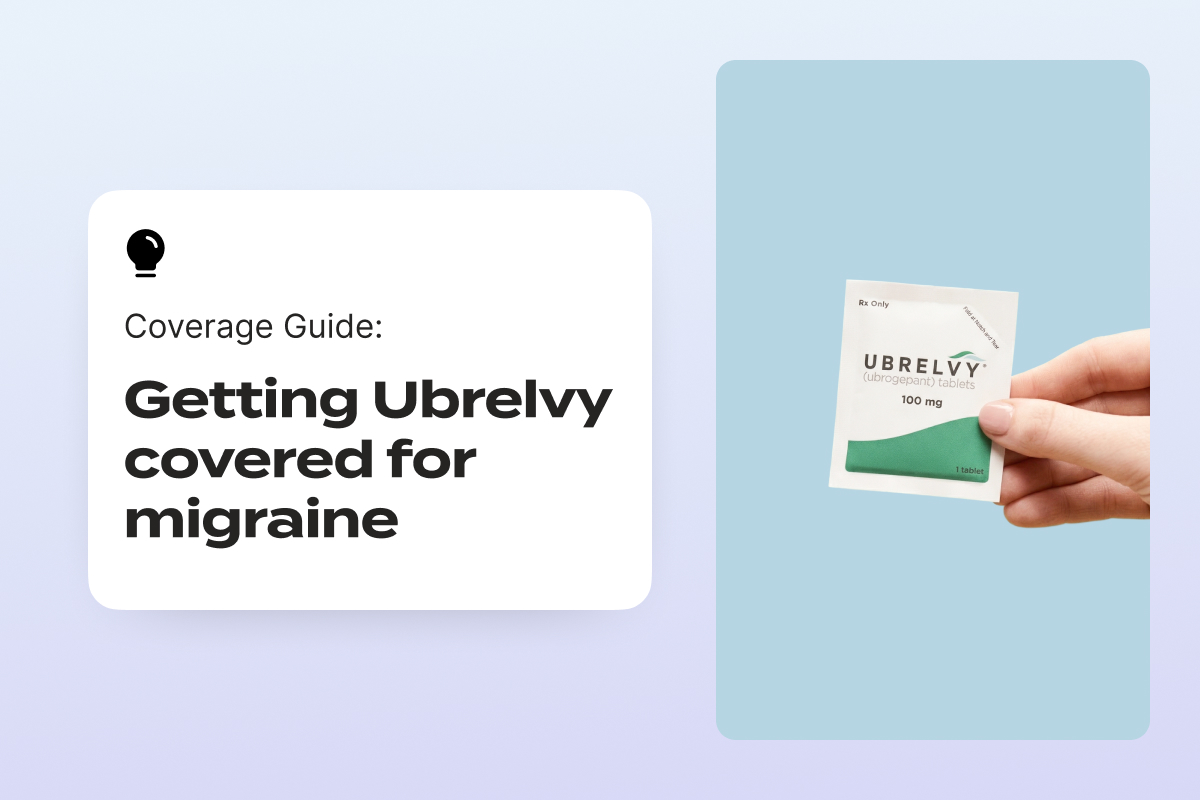
Your doctor prescribed Ubrelvy because it's the right acute treatment for your migraines — and in many cases, because triptans aren't safe or effective for you. Your insurer disagreed. But a denial letter isn't the final word, and you have more power to challenge it than you probably realize.
Ubrelvy (ubrogepant) was the first oral calcitonin gene-related peptide (CGRP) medication FDA-approved specifically for treating migraine attacks. It works through an entirely different mechanism than triptans — blocking the CGRP protein involved in migraine pain, nausea, and sensitivity to light and sound, rather than constricting blood vessels. That distinction matters clinically, and it matters enormously when it comes to insurance coverage, because the very reason your doctor chose Ubrelvy is often the reason your insurer tries to deny it.
Here's what AbbVie's own access data shows: 56% of commercially insured patients are unrestricted or need only minimal prior therapy to access Ubrelvy. That means nearly half face significant coverage hurdles — prior authorization requirements, step therapy demands, or outright denials. If you're reading this, you're likely in that group.
The good news: denials can be overturned. Fewer than 1% of denied claims are ever appealed, and insurance companies bank on that silence. But when patients appeal with the right evidence and strategy, the results are dramatically different. At Claimable, over 80% of our appeals succeed in established conditions.
This guide breaks down exactly why Ubrelvy gets denied, how to identify your specific situation, and what a winning appeal looks like — including the clinical arguments, legal protections, and documentation strategies that actually move the needle.
Why Insurance Companies Deny Ubrelvy
The single most important thing to do before anything else: understand the specific reason your insurer denied coverage. The denial reason shapes your entire appeal strategy. Getting it wrong means building a case that doesn't address the actual barrier.
The Triptan Paradox: Why Ubrelvy Denials Are Often Medically Absurd
Here's the central irony of most Ubrelvy denials: your doctor likely prescribed Ubrelvy because triptans don't work for you, cause intolerable side effects, or are medically unsafe given your health history. And your insurer's most likely response is to demand that you try more triptans first.
This isn't a minor bureaucratic inconvenience. Research published in the Journal of Primary Care & Community Health found that more than 20% of commercially insured migraine patients have a cardiovascular condition that specifically contraindicates triptan use — conditions like coronary artery disease, peripheral vascular disease, uncontrolled hypertension, or history of stroke. An additional 25% have multiple cardiovascular risk factors that carry formal warnings and precautions against triptan use. That's nearly half of all migraine patients for whom triptans are either unsafe or require serious caution.
Triptans work by constricting blood vessels. That vasoconstriction is the source of both their efficacy and their risk. Ubrelvy doesn't constrict blood vessels at all — it targets the CGRP receptor, addressing migraine pain through an entirely different pathway. For patients with cardiovascular concerns, this isn't a preference. It's a medical necessity.
When an insurer requires you to try and fail triptans before approving Ubrelvy, and your medical history includes cardiovascular contraindications, they're effectively asking you to take medications your own doctor has determined could put your health at risk. That's a powerful foundation for an appeal.
Even for patients without cardiovascular issues, there are legitimate clinical reasons triptans may not be appropriate: intolerable side effects (chest tightness, tingling, fatigue), medication interactions, or simply inadequate relief. Roughly one-third of migraine patients don't respond well to triptans or can't tolerate them. Ubrelvy was developed precisely for this population.
The Most Common Ubrelvy Denial Types
Every denial letter uses insurer language designed to sound definitive. Understanding what each denial type actually means — and where the insurer's reasoning is weakest — is how you build a targeted appeal.
Step Therapy Required
This is the most frequent reason Ubrelvy is denied. Major insurers including Anthem Blue Cross, Aetna, Blue Shield, and UnitedHealthcare all typically require prior authorization for Ubrelvy, and most mandate documented failure of at least two triptans before they'll approve a gepant for acute migraine treatment. Some plans require even more — failure of triptans plus NSAIDs, or failure of specific named triptans (sumatriptan, rizatriptan) rather than the class broadly. Specific step therapy requirements vary by plan and even by state, so check your denial letter for the exact criteria your insurer applied.
The critical detail most patients miss: "failure" has a broad medical definition that works in your favor. You don't have to prove a triptan was completely ineffective. Side effects count. Contraindications count. Medical reasons a drug is inappropriate for you — cardiovascular disease, medication interactions, hemiplegic migraine — all qualify as failure. If your doctor determined triptans aren't safe for you, that is a documented failure, even if you never took a single dose.
The American Headache Society's 2021 consensus statement specifically recommends gepants like Ubrelvy for patients who have failed, cannot tolerate, or have contraindications to triptans. And the AHS's 2024 position statement goes further, establishing CGRP-targeting therapies as a first-line option for migraine treatment without requiring prior failure of older drug classes. When your insurer demands triptan trials that your doctor has already ruled out, they're contradicting the leading medical society in headache medicine.
Not Medically Necessary
This denial usually means the paperwork was too thin — not that someone carefully reviewed your history and concluded Ubrelvy isn't appropriate. The most common gaps: not specifying migraine frequency and severity, not listing prior treatments tried and why they failed, not documenting impact on daily functioning, or not explaining why Ubrelvy specifically is the right choice over other acute options.
For Ubrelvy, your prescriber's documentation should make clear why a non-vasoconstrictive acute treatment is needed. If you have cardiovascular risk factors, those need to be spelled out explicitly. If you tried triptans and experienced side effects, those side effects need to be named and described, not just referenced in passing.
Quantity Limit Exceeded
Insurer quantity limits for Ubrelvy vary more than you might expect. Some plans cap coverage at 8 tablets per month, others at 10, and some allow up to 16 (which is what AbbVie packages as a standard prescription). Ubrelvy's prescribing information notes that treating more than 8 migraines in a 30-day period hasn't been studied for safety — but that's 8 migraines, not 8 tablets. Since patients can take a second dose 2 hours after the first if needed, someone treating 4–5 migraines per month with an optional second dose may legitimately need more than 8 tablets.
If your insurer denied based on quantity, your prescriber should submit documentation confirming the clinical rationale for the prescribed amount — including migraine frequency, whether a second dose is typically needed, and why the quantity is medically appropriate.
Not on Formulary / Non-Preferred Brand
Some plans position Nurtec as their preferred CGRP medication over Ubrelvy, since Nurtec carries both acute and preventive indications. Others prefer neither and want you on triptans entirely. If your plan prefers a different medication, the appeal needs to explain why Ubrelvy specifically is the right choice for your situation.
Strong arguments for a formulary exception include: you've already tried and failed the preferred alternative, the preferred drug is contraindicated for you, or there are specific clinical reasons Ubrelvy is more appropriate. If your prescriber chose Ubrelvy because you need acute-only treatment and the other options haven't worked or aren't suitable, that rationale needs to be documented clearly.
Dose-Level Denial (50mg vs. 100mg)
Some insurers will approve Ubrelvy at the 50mg dose but deny the 100mg. Both doses showed similar rates of pain freedom in the ACHIEVE trials — 21% at 2 hours for both 50mg and 100mg — but the 100mg dose was the one studied in the landmark PRODROME trial and is often the dose prescribed for patients with more severe or harder-to-treat migraines. Dose modifications are also required for patients on certain medications, which can affect which strength is clinically appropriate.
If your insurer denied the 100mg dose, your prescriber should provide a clinical rationale: why the higher dose is needed, whether the 50mg was tried and found insufficient, or whether dose adjustments related to other medications require the 100mg formulation.
Duplicate CGRP Therapy Denial
If you're already taking an injectable CGRP medication for prevention — Aimovig (erenumab), Ajovy (fremanezumab), Emgality (galcanezumab), or Vyepti (eptinezumab) — some insurers will deny Ubrelvy on the grounds that you can't use two CGRP-targeting drugs at the same time.
This denial is frequently wrong. Ubrelvy (an oral CGRP receptor antagonist for acute use) and injectable CGRP monoclonal antibodies (for prevention) work through different mechanisms and serve different clinical purposes. Published research in Advances in Therapy (Blumenfeld et al., 2022) specifically evaluated the safety and efficacy of ubrogepant in patients taking concomitant preventive CGRP monoclonal antibodies — and found no negative impact on either safety or efficacy. The Ubrelvy prescribing information itself notes that patients in clinical trials were able to use concomitant preventive medications.
A detailed clinical rationale from your neurologist or headache specialist explaining the different mechanisms, distinct indications, and published evidence supporting combination use is typically what's needed to overturn this type of denial.
Incorrect Diagnosis Code
Like all migraine medications, Ubrelvy coverage can hinge on whether the right ICD-10 code was submitted. Using a general headache code (like R51.9 for "headache, unspecified") instead of a specific migraine code will often trigger an automatic denial. The most common migraine diagnosis codes that support Ubrelvy coverage include: migraine without aura (G43.00, G43.01), migraine with aura (G43.10, G43.11), migraine unspecified (G43.90, G43.91), and chronic migraine (G43.709, G43.711).
If your denial seems to stem from a coding issue, this is usually the easiest fix — work with your prescriber's office to verify the correct code was submitted and resubmit if needed.
How to Appeal a Ubrelvy Denial: Step by Step
The insurance industry has conditioned patients to treat a denial as a final answer. It's not. Appeals are a legal right, and they work far more often than most people expect.
Step 1: Read Your Denial Letter Carefully
Every denial letter is legally required to include three things: the specific reason for denial, your appeal rights, and the deadline to file. Find the deadline first — it's the most time-sensitive detail. Most commercial plans give 180 days, but timelines vary by insurer. UnitedHealthcare allows just 65 days for most plan types. Medicare Advantage plans follow CMS guidelines of 60 days. Missing the deadline eliminates your right to appeal, so move quickly.
Step 2: Know That You Can File Your Own Appeal
Patient-initiated appeals are separate from (and in addition to) anything your doctor's office files. This is a distinction most people don't know about, and it matters. Patient appeals carry their own legal protections — mandated response timelines, the right to escalate to independent external review, and multiple levels of appeal. If your doctor's prior authorization was denied, that doesn't close the door for you. You have your own path.
Step 3: Confirm the Clinical Details With Your Prescriber
Before building your appeal, verify with your doctor's office: Was the correct migraine diagnosis code submitted? Were prior triptan trials (or contraindications to triptans) documented? Was the prescribed dose and quantity clearly justified? If the denial stems from a paperwork gap rather than a genuine coverage dispute, a corrected prior authorization resubmission may resolve the issue without a formal appeal.
Step 4: Get a Letter of Medical Necessity
A letter of medical necessity from your prescribing physician is the most important document in your appeal package. For Ubrelvy specifically, this letter should include your migraine diagnosis and frequency, a detailed history of prior treatments tried and outcomes (especially triptans — why they failed, caused side effects, or are contraindicated), any cardiovascular conditions or risk factors that make triptans unsafe, the specific clinical rationale for why Ubrelvy is the appropriate treatment, and the prescribed dose and quantity with medical justification.
How to ask: Be direct with your doctor. "My insurance denied Ubrelvy. Would you write a letter of medical necessity for my appeal? I can bring information on what the insurer typically requires." If your doctor's office isn't experienced with these, offering to share a template or outline can make a significant difference.
Step 5: Build Your Appeal Package
A complete appeal submission should include a cover letter summarizing your case, the letter of medical necessity from your prescriber, supporting clinical documentation (office visit notes showing migraine frequency, treatment history, cardiovascular history if relevant), and a personal statement explaining how the denial affects your health and daily life.
The three pillars of a winning appeal:
Your story — How migraines impact your daily life, your work, your relationships. How the denial has affected your ability to manage your condition. This isn't filler — it provides the human context that clinical data alone can't convey.
Clinical evidence — The ACHIEVE trial results, the AHS consensus statements, specific evidence supporting Ubrelvy for your situation. If cardiovascular contraindications to triptans are part of your case, the published research on triptan contraindication prevalence strengthens the argument that Ubrelvy isn't a luxury — it's a necessity.
Policy and legal analysis — How your situation meets coverage criteria under your specific plan, applicable state laws, and federal regulations like the ACA's protections for appeals and external review.
Step 6: Submit and Track
Follow the submission instructions in your denial letter exactly. Your insurer is required to respond within 30 days for standard appeals or 72 hours for urgent/expedited cases. Document everything: when you submitted, how (fax, mail, portal), and any confirmation numbers or reference IDs.
Step 7: Escalate If Needed
If your internal appeal is denied, you have the right to an external review by an independent third party who doesn't work for the insurer. External reviewers evaluate whether the denial was medically justified, not whether the insurer wants to pay. These reviews frequently overturn denials that make it to this stage, because the standard of review shifts from the insurer's internal criteria to objective clinical evidence.
Don't stop after the first "no." The appeals process exists because denials are often wrong. Persistence isn't just an emotional decision, it's a strategic one.
An Easier Path: Let Claimable Handle Your Ubrelvy Appeal
If the process above feels like a lot, or if you've already been through one round of denials and don't have the energy for another, Claimable can take it from here.
Here's how it works:
Answer a few questions about your Ubrelvy denial and medical history. We build your case using our database of 4+ million clinical studies, insurer policies, and legal standards. We create a fully customized appeal with your personal story, clinical evidence, and policy analysis. We submit it for you — faxed and mailed directly to your insurer. We guide you through escalation if needed.
Over 80% of Claimable appeals succeed, with most resolved in 10 days or less.
"When my insurance company denied my claim to continue with my medicine, I felt defeated at first… Then I found Claimable. In the end I ended up winning my claim and I couldn't have done it without Claimable. I highly recommend them." – April A.
Appealing with Claimable costs $39.95. No success fees, no hidden costs – just a flat fee. If your migraine medication runs $1,000+ per month without coverage, the math speaks for itself.
Appeal Timelines: How Long Does an Ubrelvy Appeal Take?
Submitting a complete, well-documented appeal from the start is the single best way to speed up the process. Incomplete submissions get delayed by requests for additional information. The average Claimable appeal gets a response in just 10 days.
FAQs
Why was my Ubrelvy denied if my doctor prescribed it?
A prescription and an insurance approval are two different things. Most plans require prior authorization for Ubrelvy, and those PA criteria often include step therapy requirements (trying triptans first), quantity limits, and documentation thresholds that go beyond what your doctor submits with a standard prescription. Your doctor determined Ubrelvy is right for you medically – the insurer is applying a separate, often more restrictive, set of criteria.
What if I can't take triptans — do I still have to try them before getting Ubrelvy?
No – and this is one of the strongest appeal arguments for Ubrelvy. If you have cardiovascular conditions that contraindicate triptans, or documented intolerance or side effects from prior triptan use, those count as "failure" under most step therapy policies. Your appeal should include specific documentation of why triptans are inappropriate for you. The insurer cannot require you to take a medication that your doctor has determined is medically unsafe.
Can I appeal an Ubrelvy denial myself, or does my doctor have to do it?
You can appeal yourself. Patient-initiated appeals carry their own legal protections – mandated response timelines, the right to escalate to external review, and multiple appeal levels. Your appeal is separate from anything your doctor's office files and doesn't depend on your doctor's appeal being successful.
Can I take Ubrelvy with an injectable CGRP medication like Aimovig or Emgality?
Published clinical evidence supports using Ubrelvy for acute treatment alongside a CGRP monoclonal antibody for prevention. They target different aspects of the CGRP pathway and serve different clinical purposes. If your insurer denied Ubrelvy based on "duplicate CGRP therapy," a clinical rationale from your neurologist citing the published safety data is typically the path to overturning it.
What's the difference between the 50mg and 100mg dose?
Both strengths are FDA-approved and showed similar pain freedom rates in clinical trials (21% at 2 hours for both 50mg and 100mg vs. 13% for placebo). For freedom from the most bothersome migraine symptoms – which includes nausea, sensitivity to light, and sensitivity to sound – rates were 38% for the 100mg tablet vs. 28% for placebo. The 100mg strength was also used in the PRODROME trial studying treatment during the early warning signs of a migraine and is often prescribed for patients with more severe attacks. Dose adjustments may also be needed based on other medications you take or kidney/liver function. If your insurer approved only the 50mg, your prescriber can submit a clinical rationale for the higher strength.
How many tablets of Ubrelvy should I be prescribed?
Ubrelvy's prescribing information establishes safety for treating up to 8 migraines per 30-day period, with the option for a second dose per attack. That means patients may need anywhere from 8 to 16 tablets per month depending on migraine frequency and whether a second dose is typically required. Insurer quantity limits vary: Some cap at 8 tablets, others at 10 or 16. If your prescribed quantity was denied, a quantity override request with clinical justification from your prescriber is the standard next step.
Is Ubrelvy the same as Nurtec?
No. Both are oral calcitonin gene-related peptide medications used in the treatment of migraines, but they're different drugs with different approvals. Ubrelvy (ubrogepant) is approved only for acute treatment, stopping a migraine attack in progress. Nurtec ODT (rimegepant) is approved for both acute treatment and prevention of episodic migraine. They also have different drug interaction profiles and dosing schedules. Other CGRP medications in the migraine landscape include Qulipta (atogepant), which is approved only for prevention, and Zavzpret (zavegepant), a nasal spray approved only for acute treatment. If your insurer wants you to switch to a different CGRP medication, your appeal should explain why Ubrelvy is the more appropriate choice for your specific situation.
How much does Ubrelvy cost without insurance?
The manufacturer's list price is approximately $1,085 for a month's supply. Retail prices can run higher, averaging around $1,300 for 10 tablets at some pharmacies. AbbVie offers the UBRELVY Complete Savings Card for commercially insured patients, which can reduce costs to as little as $0 per monthly fill (up to $7,000 in annual savings). Patients without commercial insurance who meet income requirements may qualify for AbbVie's patient assistance program (myAbbVie Assist), which provides the medication at no cost.
Is it worth appealing an Ubrelvy denial?
Absolutely. Insurers count on patients accepting a denial as final – fewer than 1% of denied claims are ever challenged. But appeals exist because denials are frequently wrong: documentation was incomplete, criteria were misapplied, or the insurer ignored clinical evidence. Your doctor prescribed Ubrelvy because you need it. The appeal is your opportunity to prove that case with the right evidence, the right arguments, and the right legal framework behind you.
Claimable's physician-led team has helped patients recover millions in care access by fighting insurance denials. We're SOC 2 Type II certified and HIPAA compliant. Learn more about how Claimable works →
Related: Why Was My Migraine Treatment Denied? Common Insurance Denial Reasons and How to Fight Back

Your doctor prescribed Nurtec ODT because it's the right treatment for your migraines. Your insurer said no. But you don't have to just give up on Nurtec. If it's the right treatment for you, let's talk about how to get covered.
Nurtec ODT is the only oral CGRP medication approved by the FDA for both treating acute migraines and preventing them. That dual role is a genuine clinical advantage, and it's precisely what makes the insurance process so frustrating. Insurers may apply different criteria depending on whether your doctor prescribed Nurtec for acute use, preventive use, or both, and many patients (and even some prescribers) don't realize the way the prescription is written directly determines which criteria the insurer evaluates.
Here's what Pfizer's own data says: 97% of patients with commercial insurance have plans that cover Nurtec ODT. If you were denied, that means that there's likely a path to getting covered through an appeal — whether it's through demonstrating that you meet the criteria, updating paperwork, or proving you deserve an exception to their rules.
If you're denied Nurtec, you can appeal
Fewer than 1% of denied claims are ever appealed. Insurance companies count on that. But when patients do appeal with the right evidence, they often win. At Claimable, we see this in practice — with over 80% of our appeals getting approved in established conditions.
This guide walks you through exactly why your Nurtec coverage was denied, how to identify your specific denial type, and what a winning appeal actually looks like, including the timelines, documentation, and strategies that work.
Why Insurance Companies Deny Nurtec Coverage
Understanding the specific reason for your denial is the single most important step before doing anything else. The denial reason determines your entire strategy, and getting it wrong means wasting time on arguments that won't work for your situation.
What Makes Nurtec Denials Uniquely Complicated
Most migraine medications do one thing: treat an attack or prevent future ones. Nurtec does both. That's a significant clinical advantage, but it creates a coverage problem that doesn't exist with drugs like Ubrelvy (acute only) or Qulipta (prevention only).
If your doctor prescribed Nurtec for acute use, the insurer applies one set of criteria, typically requiring you to have tried and failed triptans first. If prescribed for prevention (every-other-day dosing), the insurer applies a different, often stricter set of criteria — requiring documented failure of older preventive drugs like beta-blockers, antidepressants, or antiepileptics.
If your doctor intended Nurtec to serve both roles, the prior authorization may need to address both sets of requirements simultaneously. Many prescribers don't realize this, and many PAs are submitted addressing only one indication.
The quantity of tablets prescribed can also trigger a denial. Preventive dosing requires roughly 15 tablets per month, while acute use calls for up to 8. A prescription for 15 tablets submitted with acute-only documentation will get flagged immediately.
The mismatch between how the prescription is written and what the insurer's criteria require is one of the most common, and most preventable, reasons Nurtec gets denied.
The Most Common Types of Nurtec Denials
Most articles list denial types using the language insurers put in their letters. We think about denial types based on what they actually mean for patients and how they shape your strategy.
Step Therapy Required
This is the most common Nurtec denial. Insurers require patients to try and fail older medications first — especially triptans — before approving Nurtec, even when your doctor has clinical reasons for prescribing it first.
For acute use, most plans require documented failure of two or more triptans (sumatriptan, rizatriptan, zolmitriptan, eletriptan). For preventive use, the bar is even higher — many plans require failure of medications from two or more drug classes: beta-blockers (propranolol, metoprolol), antidepressants (amitriptyline, venlafaxine), antiepileptics (topiramate, valproate), or other CGRP therapies.
What most patients don't realize: "Failure" doesn't mean the drug didn't work. Side effects, contraindications, and medical reasons a drug is inappropriate also count as failure. For example, many patients with cardiovascular disease can't safely take triptans, which means insurers should not require them to try these medications first.
Important: The American Headache Society's 2024 position statement explicitly recommends CGRP-targeting therapies — including Nurtec — as a first-line option for migraine prevention, without requiring prior failure of older drug classes. When an insurer demands you fail on beta-blockers or topiramate before accessing Nurtec, they're contradicting the leading medical society's guidance. That's a powerful argument in any appeal.
Not Medically Necessary
This denial often means the initial submission was too thin, not that your insurer reviewed your full history and determined Nurtec isn't appropriate. Common gaps: not specifying migraine frequency, not listing comorbidities, not documenting impact on daily functioning, or not explaining why Nurtec specifically is the right choice.
A Nurtec watch-out: Because the drug is approved for both acute and preventive use, the prescriber needs to clearly document which indication is being requested and why. A submission that doesn't specify this can trigger a medical necessity denial even when you need it.
Quantity Limit Exceeded
Many insurers set a default quantity limit of 8 tablets per month, aligned with acute use. If your doctor prescribed Nurtec for prevention (roughly 15 tablets per month), the prescription may automatically get flagged.
This is often a straightforward fix: your prescriber submits documentation confirming the preventive indication and requests a quantity override. But the quantity limit PA criteria are often separate from the initial coverage PA, so you may need to clear two hurdles, not one.
Not on Formulary / Non-Preferred Brand
Some plans prefer a different CGRP medication — often Ubrelvy for acute use, or Qulipta, Aimovig, Emgality, or Ajovy for prevention. This isn't a medical judgment about whether you need the medication, it's a business decision about which drugs the insurer has negotiated pricing for.
The strongest argument centers on Nurtec's dual indication. If your doctor prescribed it for both acute treatment and prevention — which no other oral CGRP medication can do — replacing it with two separate drugs increases complexity, cost, and adherence burden. That's a compelling case for a formulary exception.
PA Requirements Not Met
This denial means the insurer believes one or more coverage criteria weren't satisfied. In many cases, the issue isn't that you actually fail the criteria — it's that the insurer applied the rules incorrectly, ignored clinical details, or relied on outdated requirements.
Common scenarios: migraine frequency disputes (your documented frequency meets the threshold but wasn't clearly presented), indication mismatch (the PA was submitted for one indication but the quantity suggests another), or incomplete treatment history (the documentation didn't fully capture your prior medication trials).
Incorrect Diagnosis Code
Coverage often hinges on submitting the correct ICD-10 diagnosis code. Common issues include using a general headache code instead of a specific migraine code, or failing to specify episodic migraine when requesting preventive coverage. Pfizer's own resources flag incorrect codes as one of the most common reasons for Nurtec PA denials. This is often the easiest denial to fix.
A breakdown of common ICD-10 diagnosis codes for migraine treatment:
Duplicate CGRP Therapy Denial
If you're already taking an injectable CGRP (Aimovig, Ajovy, or Emgality) for prevention, some insurers will deny Nurtec for acute use, claiming you can't use two CGRP drugs at the same time. This denial is often wrong — the American Headache Society and published clinical evidence support using a CGRP monoclonal antibody for prevention alongside an oral gepant for acute treatment, because they work through different mechanisms. Overturning this typically requires a detailed clinical rationale from a neurologist or headache specialist.
How to Appeal a Nurtec Denial: Step by Step
Appeals work far more often than most people think. The insurance industry has spent decades conditioning patients to accept "no" as final. It's not.
Step 1: Read Your Denial Letter Carefully
Your denial letter is required by law to include the specific reason for denial, your appeal rights, and the deadline to file.
Find your deadline. Most commercial plans allow 180 days, but deadlines vary significantly by insurer. UnitedHealthcare gives you just 65 days for most plan types — less than half the time Aetna, BCBS, and Cigna allow. Medicare Advantage plans follow CMS guidelines of 60 days. Missing the deadline means you won't be allowed to appeal, so move as quickly as possible.
Step 2: Understand That You Can Appeal, Not Just Your Doctor
You can file an appeal yourself, as the patient, separate from (or in addition to) your doctor filing a provider-level appeal. Patient-initiated appeals often have stronger legal protections than provider appeals — including mandated response timelines, the right to escalate to an independent external reviewer, and multiple levels of appeal. If your doctor's prior authorization or appeal was denied, that doesn't mean yours will be. They're different processes.
Step 3: Clarify the Prescription With Your Doctor
Before gathering documentation, confirm with your prescriber: Was Nurtec prescribed for acute treatment, preventive treatment, or both? Was the PA submitted with the correct indication and quantity? Were the correct ICD-10 migraine codes used?
If the issue is a mismatch between the prescription and the PA submission, a corrected resubmission may resolve the denial without a formal appeal.
Step 4: Get a Letter of Medical Necessity
A letter of medical necessity (LOMN) from your prescribing physician is the single most important document in a Nurtec appeal. It should include documentation of your migraine days per month, prior medication history and diagnosis code.
How to ask your doctor: Be direct. "My insurance denied Nurtec. Would you be willing to write a letter of medical necessity for my appeal? I can bring information on what the insurer typically looks for." Some doctors aren't experienced with writing these, but offering a template or outline can help significantly.
Step 5: Build Your Appeal Package
Your appeal should include a cover letter summarizing your case, the letter of medical necessity from your doctor, supporting clinical documentation (records showing migraine frequency, treatment history, comorbidities), and a personal statement explaining how the denial affects your health and daily life.
The three pillars of a winning appeal:
- Your story — the personal health impact of this denial
- Clinical evidence — studies, guidelines, and medical records supporting Nurtec for your situation
- Policy and legal analysis — how your situation meets coverage criteria under your plan, state law, and federal regulations
Step 6: Submit and Track
Submit your appeal per the instructions in your denial letter. Your insurer is required to respond within 30 days for standard appeals, or 72 hours for urgent/expedited cases. Keep records of when you submitted, how (fax, mail, portal), and any confirmation numbers.
Step 7: Escalate If Needed
If your internal appeal is denied, you have the right to an external review by an independent third party not employed by the insurer. External reviews commonly overturn denials that make it to that stage — because the reviewer evaluates whether the denial was medically justified, not whether the insurer wants to pay.
Don't give up after one "no." The system is designed to make you quit. Persistence is part of the strategy.
An Easier Path: Let Claimable Handle Your Nurtec Appeal
If navigating this process feels overwhelming, or if you just don't have time to become an expert in insurance appeals, Claimable can help.
Here's how it works:
- Answer a few questions about your Nurtec denial and medical history
- We build your case using our database of 4+ million clinical studies, insurer policies, and legal standards
- We create a fully customized appeal with your personal story + clinical evidence + policy analysis
- We submit it for you, faxed and mailed directly to your insurer
- We guide you through escalation if needed
80%+ of Claimable appeals succeed, with most resolved in 10 days or less.
"When my insurance company denied my claim to continue with my medicine, I felt defeated at first... Then I found Claimable. In the end I ended up winning my claim and I couldn't have done it without Claimable. I highly recommend them." — April A.
Appealing with Claimable is just $39.95. No success fees, no hidden costs. Just a simple flat fee. If your migraine medication costs $1,000+ per month, the math is simple.
Appeal Timelines: How Long Does a Nurtec Appeal Take?
The faster you submit a complete, well-documented appeal, the faster you'll get a decision. While these timelines seem slow, getting your appeal right can speed things up significantly. The average Claimable appeal gets a response in just 10 days.
FAQs
Why was my Nurtec denied if my plan covers it? Having Nurtec on your plan's formulary doesn't mean it's automatically approved. Most plans require prior authorization, and the PA criteria often include step therapy requirements, quantity limits, or documentation thresholds that aren't obvious from your benefits summary. Pfizer reports that 97% of commercial plans cover Nurtec — but "covered" and "approved without a fight" are very different things.
Can I appeal a Nurtec denial myself, or does my doctor have to do it? You can appeal yourself. Patient-initiated appeals often have stronger legal protections than provider appeals, including mandated timelines and the right to external review. You can appeal in addition to your doctor's appeal — they're separate processes.
What if my insurer wants me to try Ubrelvy instead of Nurtec? This is a step therapy requirement. Your appeal should focus on why Nurtec specifically is the right choice. If you need both acute and preventive coverage, Nurtec is the only oral gepant approved for both — that's a strong clinical argument against switching to a drug that only covers one indication.
How many tablets should I be prescribed? For acute use, up to 8 tablets per month. For prevention, approximately 15 tablets per month (75 mg every other day). The maximum is 18 doses in a 30-day period. If your doctor prescribed preventive dosing, make sure the PA was submitted for the preventive indication.
Can I take Nurtec with an injectable CGRP medication like Aimovig? Some insurers will deny this combination, but clinical evidence and AHS guidance support using a CGRP monoclonal antibody for prevention alongside an oral gepant for acute treatment. If you receive a duplicate therapy denial, a detailed clinical rationale from your neurologist is essential.
What's the difference between Nurtec and other CGRP medications? CGRP medications aren't interchangeable. Nurtec is the only oral gepant approved for both acute treatment and prevention of episodic migraine. Ubrelvy and Zavzpret are acute-only. Qulipta is prevention-only. Aimovig, Ajovy, Emgality, and Vyepti are injectable monoclonal antibodies for prevention.
How much does Nurtec cost without insurance? Approximately $1,000+ for an 8-tablet dose pack. Pfizer offers a savings card for commercially insured patients that can reduce the cost to as little as $0/month (with a $7,000 annual cap), and a first-fill program providing one prescription at no cost while benefits are verified.
Is it worth appealing? Yes. The insurance industry counts on patients giving up — fewer than 1% of denials are ever appealed. But when patients do appeal with proper documentation, overturn rates are significant. You've already been prescribed this medication by a doctor who believes you need it. The appeal is your chance to make that case.
Claimable's physician-led team has helped patients recover millions in care access by fighting insurance denials. We're SOC 2 Type II certified and HIPAA compliant. Learn more about how Claimable works →
Related: Why Was My Migraine Treatment Denied? Common Insurance Denial Reasons and How to Fight Back
Your doctor prescribed Zepbound because you need it. But your insurance said no. When it comes to GLP-1s, this is unfortunately common.
If you've been denied coverage for Zepbound, you're far from alone. According to the 2025 KFF Employer Health Benefits Survey, only about 19% of large employer plans cover GLP-1 medications for weight loss. That means that the majority of people seeking Zepbound coverage will hit a wall before they even get started.
Here's what most people don't realize: the word "denied" doesn't always mean the same thing. A "forced switch" denial (where your insurer wants you to take Wegovy instead, for example) requires a completely different response than a blanket "weight loss drugs aren't covered" exclusion. Most online advice lumps these together and offers generic tips, which can waste your limited chances to overturn the decision.
The insurance industry is counting on you not knowing the difference. They're also counting on you giving up. Another KFF analysis found that fewer than 1% of denied claims are ever appealed. Yet when patients do appeal with the right evidence, the results can be dramatic. At Claimable, we see this in practice every day – with over 80% of our appeals getting approved in established conditions.
This guide walks you through exactly why your Zepbound coverage was denied, how to identify your specific denial type, and what a winning appeal actually looks like – including the timelines, documentation, and strategies that work.
Why Insurance Companies Deny Zepbound Coverage
Understanding the specific reason for your denial is the single most important step before doing anything else. The denial reason determines your entire strategy – and getting it wrong means wasting time on arguments that won't work for your situation.
The Real Breakdown: What We See in Thousands of Zepbound Appeals
Most articles list denial types alphabetically, or using the language that the insurer uses in their letters. We think of denial types based on what they mean for patients and how they influence how you fight back. Here's what actually happens, based on the Zepbound appeals we handle:
Forced Switch Denials
This is what we see most often. Your insurer isn't saying Zepbound isn't working for you – they're saying they'd rather pay for something else.
The argument that wins: Clinical differentiation and previous failures. Zepbound is a dual GIP/GLP-1 receptor agonist. Wegovy is GLP-1 only. If you've responded well to Zepbound, or if you tried semaglutide-based medications previously without adequate results, that's your leverage.
Document: your response to Zepbound, any previous experience with other GLP-1s, side effects you experienced on alternatives, and your prescriber's clinical rationale for why Zepbound specifically is the right choice.
Not on Formulary Denials
Every plan has a list of "preferred" drugs, and yours doesn't include Zepbound. This isn't a medical judgment about whether you need the medication – it's a business decision about which drugs the insurer has negotiated pricing for.
The argument that wins: Request a formulary exception. Insurers are required to have a process for covering non-formulary drugs when there's a valid medical reason. Your case is stronger if you can show that formulary alternatives (like Wegovy) aren't appropriate for you – whether because you've tried them without success, experienced side effects, or have a clinical profile that makes Zepbound the better choice.
Document: why the formulary alternatives don't work for your situation, your prescriber's rationale for Zepbound specifically, and any clinical evidence supporting tirzepatide over semaglutide-based options for patients like you.
Blanket Plan Exclusion Denials
These are the toughest. Your plan has decided, as a matter of policy, not to cover weight loss medications. That's not a medical judgment you can argue against — it's a plan design choice.
Your options:
For employer-sponsored plans: Go through HR. Many employers don't realize their plan excludes these medications, or they're open to reconsidering. Frame it as a healthcare equity and outcomes issue.
Explore the OSA indication: Zepbound is FDA-approved for moderate-to-severe obstructive sleep apnea in adults with obesity. If you have OSA (even if undiagnosed — it's extremely common in people with obesity), this indication may be covered even when "weight loss" isn't.
Out-of-plan options: Manufacturer savings programs, cash-pay pharmacies, or alternative coverage may be worth exploring while you work on the appeal.
Not Medically Necessary Denials
This denial often means the initial submission was too thin. Insurers look for specific documentation, and if it's not there, they deny.
What a strong submission includes:
- Current BMI and weight history
- Complete list of comorbidities (hypertension, sleep apnea, prediabetes, PCOS, joint problems, NAFLD, etc.)
- Documentation of previous weight loss attempts (diet programs, exercise regimens, prior medications)
- Lab work supporting metabolic dysfunction
- Clinical rationale for why Zepbound is appropriate for this specific patient
If your initial prior authorization was bare-bones, appealing or resubmitting with complete documentation can flip the outcome.
Step Therapy Denials
Your insurer wants you to try (and fail on) other medications before they'll approve Zepbound. The most common requirements: Wegovy, Saxenda, Contrave, or metformin (for patients with prediabetes or insulin resistance).
Two paths forward:
Complete the step therapy: If you haven't tried these medications, your insurer may have a point. Try them as prescribed, document the results, and resubmit.
Request a step therapy exception: If there's a clinical reason why the required alternatives aren't appropriate for you – prior adverse reactions, contraindications, or documented failure – your doctor can request an exception.
PA Requirements Not Met
This denial means the insurer claims you didn't meet one or more coverage requirements for the medication. These rules may include BMI thresholds, participation in a weight management program, trying other medications first, or demonstrating enough weight loss while on treatment. In many cases, the issue isn't that you actually fail the criteria—it's that the insurer applied the rules incorrectly, ignored important medical details, or relied on outdated assumptions about obesity treatment.
If your denial says prior authorization requirements weren't met, a well-supported appeal can often show that you do meet the criteria - or that the insurer applied them incorrectly.
A Note on Diagnosis Code Issues
This is more common than people realize. Zepbound is FDA-approved for chronic weight management (obesity) and for moderate-to-severe obstructive sleep apnea in adults with obesity. Mounjaro is the same active ingredient (tirzepatide) but approved for type 2 diabetes.
Coverage often hinges entirely on how the claim is coded. If you have multiple conditions, the diagnosis code your prescriber uses can make or break coverage. This is a conversation to have with your prescriber's office.
The Big One: CVS Caremark
If your Zepbound was denied by CVS Caremark, you're not imagining things. In the Zepbound appeals we've handled, CVS Caremark denials outnumber every other insurer and PBM combined.
The big reason for this? Their 2025 decision to drop Zepbound from their formulary in favor of Wegovy. Both drugs are GLP-1s, both help with weight management – so on paper, the switch looks reasonable. But Zepbound (tirzepatide) and Wegovy (semaglutide) work differently. Zepbound is a dual GIP/GLP-1 agonist; Wegovy targets only GLP-1. For some patients, that difference matters enormously.
If you've been stable on Zepbound and CVS Caremark wants to switch you to Wegovy, that's a legitimate clinical concern – and a strong foundation for an appeal.
Other major deniers we see: OptumRx, Express Scripts, Blue Cross Blue Shield (various plans), Anthem, Aetna, and UnitedHealthcare. FEP Blue also made significant formulary changes for 2026 that affect Zepbound coverage, pushing patients toward alternatives regardless of individual circumstances.
How to Appeal a Zepbound Denial: Step by Step
Appeals work far more often than most people think. The insurance industry has spent decades conditioning patients to accept "no" as final. It's not.
Step 1: Read Your Denial Letter Carefully
Your denial letter is required by law to include: the specific reason for denial, your appeal rights, and the deadline to file.
Find your deadline. Most commercial plans allow 180 days, but deadlines vary significantly by insurer. UnitedHealthcare gives you just 65 days for most plan types – less than half the time Aetna, BCBS, and Cigna allow. Medicare Advantage plans follow CMS guidelines of 65 days. Missing the deadline means you won't be allowed to appeal, so we always recommend moving as quickly as possible.
Step 2: Understand That You Can Appeal (Not Just Your Doctor)
Here's something most articles miss entirely: you can file an appeal yourself, as the patient, separate from (or in addition to) your doctor filing a provider-level appeal.
Why this matters: Patient-initiated appeals often have stronger legal protections than provider appeals. You have mandated response timelines, the right to escalate to an independent external reviewer, and multiple levels of appeal. Providers filing on your behalf don't always have these same protections.
If your doctor's appeal was denied, that doesn't mean yours will be. They're different processes.
Step 3: Get a Letter of Medical Necessity
This is your primary weapon. A letter of medical necessity (LMN) is a formal document from your prescribing physician explaining why Zepbound is required for your specific medical situation.
What a strong LMN includes:
- Your diagnosis codes (ICD-10) and clinical history
- BMI, weight trajectory, and documented comorbidities
- Summary of previous treatments attempted and why they were insufficient
- Clinical studies supporting tirzepatide's efficacy (citing SURMOUNT-1 or SURMOUNT-2 trials is helpful)
- Explanation of why alternatives aren't appropriate for you specifically
- Reference to your insurer's own coverage criteria and how you meet them
How to ask: Be direct with your doctor. "My insurance denied Zepbound. Would you be willing to write a letter of medical necessity for my appeal? I can provide information on what the insurer typically looks for."
Some doctors aren't familiar with writing these. You can offer to bring a template or outline.
Step 4: Build Your Appeal Package
Your appeal should include: a cover letter stating your request and summarizing your case, the letter of medical necessity from your doctor, supporting clinical documentation (labs, records showing comorbidities, weight history), a personal statement explaining how the denial affects your health and daily life, and any relevant clinical studies or guidelines supporting Zepbound for your condition.
The three pillars of a winning appeal:
- Your story – the personal health impact of this denial
- Clinical evidence – studies, guidelines, and medical records supporting the treatment
- Policy and legal analysis – how your situation meets coverage criteria under your plan, state law, and federal regulations
Step 5: Submit and Track
For internal appeals: Submit to your insurer per the instructions in your denial letter. They're required to respond within 30 days for standard appeals (72 hours for urgent/expedited appeals).
Keep records: Document when you submitted, how (fax, mail, portal), and any confirmation numbers. Insurers lose things. Having a paper trail protects you.
Step 6: Escalate If Needed
If your internal appeal is denied, you have the right to an external review by an independent third party not employed by the insurer.
External reviews overturn roughly 40% of denials that make it to that stage. The reviewer isn't on the insurer's payroll – they're evaluating whether the denial was medically justified.
Other escalation options:
- File a complaint with your state's Department of Insurance
- For employer-sponsored ERISA plans, you may have additional legal options
- For federal employee plans (like FEP Blue), you can escalate to the Office of Personnel Management
Don't give up after one "no." The system is designed to make you quit. Persistence is part of the strategy.
How Long Does a Zepbound Appeal Take?
In the Zepbound appeals we handle, the median resolution time is 6 days. Most cases resolve quickly, but know that there's a long tail of complex cases that can stretch longer.
Industry & legal timelines:
- Internal appeals: Insurers must respond within 30 days (72 hours for urgent cases, like a forced switch)
- External reviews: Typically 45-60 days
- Full process (internal + external): 6-10 weeks if you go through both stages
The faster you submit a complete, well-documented appeal, the faster you'll get a decision. In some cases, Claimable automatically submits appeals to both internal and external review at the same time to speed up the process.
Real Zepbound Appeal Wins
People often think "denied" means "will never be covered". With the thousands of Zepbound appeals we've handled, we're here to tell you that you absolutely can get coverage back. Here are some stories from real patients.
"Claimable is an amazing service. They helped me get my Zepbound appeal overturned. Anytime I had a question the response was very fast and detailed. I highly recommend them. It's worth every dollar you spend." — Chante W.
"I cannot thank the Claimable team enough. They led me through the process, took me to third and final outside appeal process. Guided me personally, took the time to help, and the end result was victory over CVS Caremark. I am now back on Zepbound, a drug that has changed my life, and 100% paid for by my insurance carrier." — John C.
"So grateful to have found Claimable through On The Pen with Dave Knapp. I had read about how Claimable has helped others with prior authorization. I admit I was skeptical, but not being able to get Zepbound approved for my obstructive sleep apnea was so frustrating. I bit the bullet went to their site and began the appeal process. The staff at Claimable… were quick to reply to questions as well as suggestions on how to succeed. I am happy to say the Zepbound was approved for one year and I am picking it up tomorrow." — Rita M.
An Easier Path: Let Claimable Handle Your Appeal
If navigating this process feels overwhelming, or if you just don't have time to become an expert in insurance appeals, Claimable can help.
Here's how it works:
- Answer a few questions about your Zepbound denial and medical history
- We build your case using our database of 4+ million clinical studies, insurer policies, and legal standards
- We create a fully customized appeal: your personal story + clinical evidence + policy analysis
- We submit it for you: faxed and mailed directly to your insurer
- We guide you through escalation if needed
We've handled thousands of Zepbound cases, so we know which arguments work with which insurers, what to escalate and when, and are here to help you through any questions you may have.
Appealing with Claimable is just $39.95. No success fees, no hidden costs. Just a simple flat fee. If your medication costs $1,000+ per month, the math is simple.
FAQs
Why was my Zepbound denied? The most common reasons are forced switches (your insurer prefers Wegovy), formulary exclusions, blanket anti-obesity medication exclusions, insufficient documentation, and step therapy requirements. Your denial letter should specify the reason – that determines your appeal strategy.
Can I appeal a Zepbound denial myself, or does my doctor have to do it? You can appeal yourself. In fact, patient-initiated appeals often have stronger legal protections than provider appeals, including mandated timelines and the right to external review. You can appeal in addition to your doctor's appeal – they're separate processes.
What's the difference between Zepbound and Mounjaro? Same active ingredient (tirzepatide), different FDA approvals. Zepbound is approved for chronic weight management and obstructive sleep apnea in adults with obesity. Mounjaro is approved for type 2 diabetes. Coverage often depends on which diagnosis code is submitted.
How long do I have to appeal? Most commercial plans allow 180 days, but some insurers have shorter deadlines (60-65 days for some UnitedHealthcare plans, for example). Check your denial letter for your specific deadline.
What if my doctor's prior authorization was denied? A denied prior authorization isn't the end. You can file a patient-initiated appeal, ask your provider to request a peer-to-peer review (where your doctor speaks directly with the insurer's medical reviewer), or resubmit with stronger documentation.
Is it worth appealing? Yes. The insurance industry counts on patients giving up – fewer than 1% of denials are ever appealed. But when patients do appeal with proper documentation, overturn rates are significant. You've already been prescribed this medication by a doctor who believes you need it. The appeal is your chance to make that case.
Claimable's physician-led team has recovered over $30 million in care value for patients facing insurance denials. We're SOC 2 Type II certified and HIPAA compliant. Learn more about how we work →
Featured stories


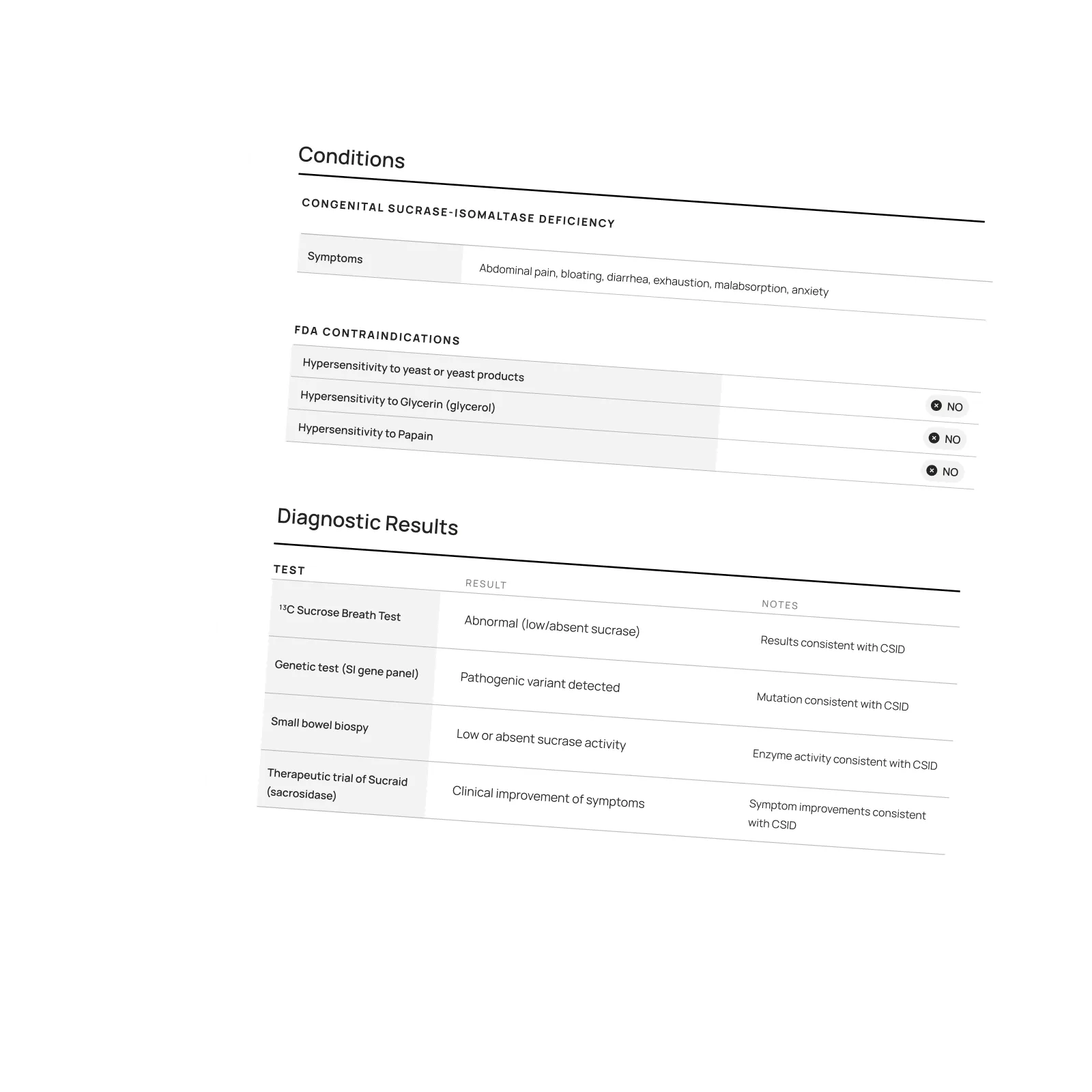
Download a winning sample appeal
Want to see what it takes to successfully overturn a health insurance denial? Download our sample appeal to learn how we build strong, evidence-based cases that get results.
///////////////////////////////////////////////////////////////////////
//////////////////////////////////////////////////////////////////////////
////////////////////////////////////////////////////////////////////
/////////////////////////////////////////////
Each month, I endure about eight major episodes, each one leaving me exhausted, unable to concentrate, and too unwell to take part in daily life.
The frequency and unpredictability of these symptoms have isolated me socially and limited my capacity to take part in activities most people take for granted.
///////////////////////////////////////////////////////////////////////
//////////////////////////////////////////////////////////////////////////
////////////////////////////////////////////////////////////////////
/////////////////////////////////////////////
Be the first to know
Get the latest updates on new tools, inspiring patient stories, expert appeal tips, and more—delivered to your inbox.
You're on the list!

One of our core principles is to help patients protect their rights and level the playing field with their insurance company. This includes rights to multiple appeals, fair reviews, decision rationale, exceptions when needed, and adequate network access, among others. For more, read our post on patients rights.
For many medications, there's no cost to use Claimable to appeal for qualifying patients – thanks to our network of support partners working to expand access to care.
If you aren't eligible for a no cost appeal, Claimable charges a flat fee of $39.95 + shipping. One simple, straightforward price – no success fees or hidden charges. If appealing with Claimable is unaffordable for you, visit our nonprofit partner Coverage Fund.
Check how much Claimable will cost for your specific situation by starting an appeal and entering your insurance information. So you always know what to expect ahead of time – no surprises.
Claimable’s AI-powered platform analyzes millions of data points from clinical research, appeal precedents, policy details, and your personal medical story to generate a customized appeals in minutes. This personalized approach sets Claimable apart, combining proprietary and public data, advanced analysis and your unique circumstances to deliver fast, affordable, and successful results.
We currently support appeals for over 85 life-changing treatments. Denial reasons may vary from medical necessity to out of network, and we even cover special situation like appealing plans that won’t count your copay assistance towards your deductible (hint: those policies were banned at the federal level in 2023). That said, we are rapidly growing our list of supported conditions, treatments and reasons. You can quickly check eligibility and ask to be notified when your interest becomes available. It helps us know where to focus next 🙂
We think about appeal times in a few ways. First, many professional advocates and experienced patients spend 15, 30 or even 100 hours building an appeal–but with Claimable, this takes minutes. We automate the process of analyzing, researching, strategizing and wordsmithing appeals. Next, there is the process of figuring out where you will send it (hint: expand your reach beyond appeal departments), then printing, mailing and/or faxing your submission. We handle that, too. Finally, there is the time it takes to get a decision. We request urgent reviews when appropriate, and typically receive standard appeal decisions within a couple weeks.
Review periods are mandated by applicable laws, from 72 hours for urgent, 7 days for experimental, 30 days for upcoming and 60 days for received services. Our goal is to get a response as fast as possible, since most of our clients are experiencing long care delays or extreme pain and suffering.
Claims are denied for a variety of reasons, many of which blur definitions. We focus on helping people challenge denials by proving care is needed and meets clinical standards, in addition to addressing specific issues like experimental treatments, network adequacy, formulary or site of care preference exceptions. We don't support denials for administrative errors or missing information, as we think those are best handled by simply resubmitting the claim in partnership with your provider. That said, many of our most rewarding successes have been cases previously though 'unwinnable', with providers and patients who fought tirelessly for months without appropriate response or resolution.
A denial letter is a formal notice from your insurance company explaining why a claim was denied and how you can appeal the decision. Sometimes the notice is included within an Explanation of Benefits. It is a legal requirements; if you didn’t receive one, contact your insurance company.
A letter of medical necessity is a statement from your doctor justifying why a specific treatment is critical to your care and/or urgently needed. You can attach it to your patient appeal to strengthen your case, especially if you are requesting an urgent appeal or need to skip standard ‘step therapy’ requirements. That said, we don’t require them and are often successful without them.
A claim file contains all the documents and communications your health plan used to decide whether to approve or deny your claim. Most health plans are legally required to share this information upon request. According to a ProPublica investigation, reviewing your claim file can help expose mistakes or misconduct by your health plan, which can make your appeal stronger.
Your insurer is required by law to give you written information about how to appeal, including the name of the company that reviewed your claim and where to send your appeal. Your health insurer may work with other companies, such as Pharmacy Benefit Managers (PBMs), Third-Party Administrators (TPAs), or Specialty Pharmacies, to manage your claims. These companies might be responsible for denying your claim and handling the appeal process on behalf of your insurer.
If you don't win your first appeal– don't give up! Many people are successful on their 2nd, 3rd or even 4th try, and future appeals are reviewed by independent entities. That said, we wrote a whole guide to understanding your options, including escalating your appeal and seeking other assistance for covering costs, forgiving debt or even seeking legal or regulatory support.
While both denial rates and appeal success rates vary widely by the type of health plan, state, and insurance company, studies have shown more than 50% of people win their appeal–and we apply strategies to boost your chances of success. Claimable has an 80% appeal success rate. The biggest denial challenge is that most people never appeal–allowing unjust denials to control their healthcare options because they are unaware of their rights or lack the support needed to fight back. No one needs to fight alone–Claimable is here to help. We know first hand that many denials are based on errors, inconsistencies or auto-decisions, and have proven strategies for fighting back against this injustice.
Let’s get you covered.