Resources

Latest Posts
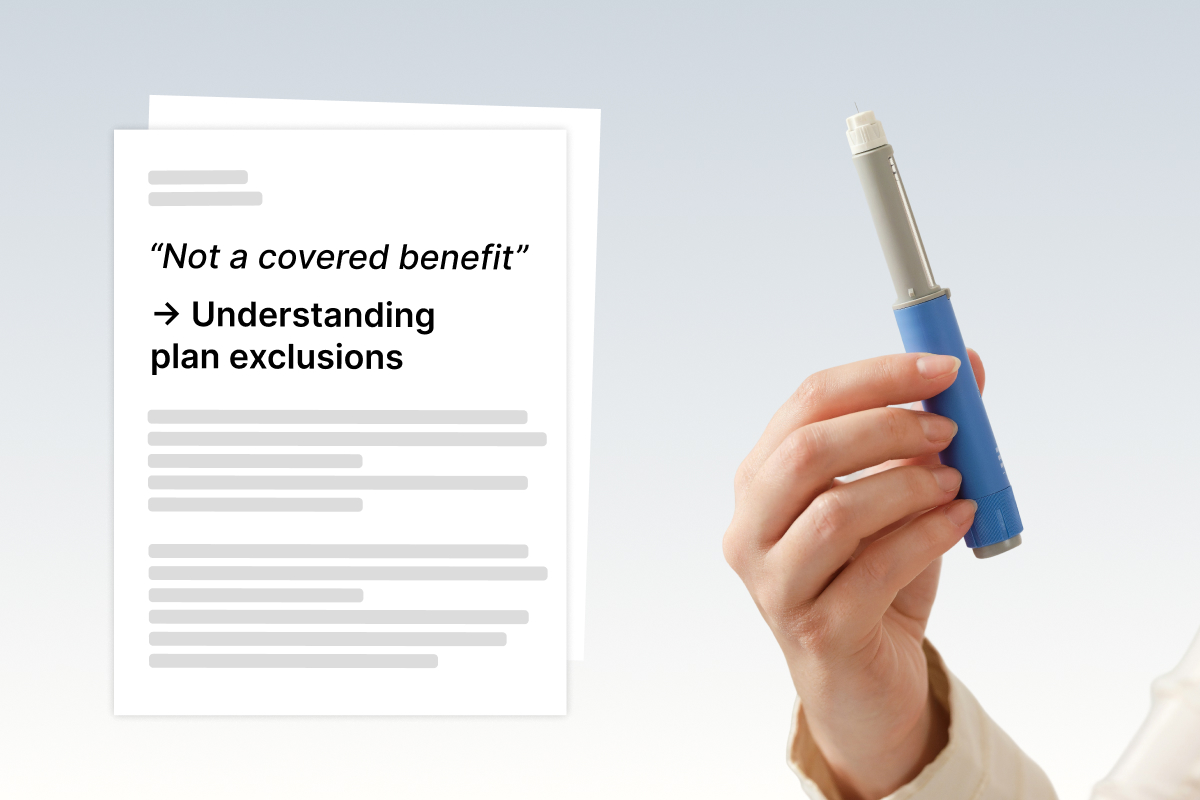
For many people living with obesity, the biggest insurance challenge isn’t a denial for a specific drug — it’s that the plan doesn’t cover any medication for that condition at all, even if the drug is FDA approved for that condition and covered for other conditions. “Plan exclusions” are becoming more common as the popularity of GLP-1 medications increases. If you’re facing one, you’re probably thinking: What do I do now?
How do I know if I have a plan exclusion for GLP-1s?
If your GLP-1 was denied, look for language like this in the denial letter. This type of language typically indicates a plan exclusion.
- “Not a covered benefit”
- “Your benefit plan simply does not cover this medication, no matter what the reason is that it is being requested”
- “We denied this request based on general exclusion section of formulary”
- “Your plan does not cover this drug when it is used for weight loss”
- “For this drug, you may have to meet other criteria”
- “This request has been administratively denied"
- “Excluded from coverage”
- “Not eligible"
You may have also received a letter in the mail ahead of your 2026 plan year notifying you of coverage changes like plan exclusions. Check your letter or plan documents for language like “medications prescribed for weight loss are excluded” or "not covered".
Plan Exclusion vs. Formulary Exclusion: What’s the Difference?
Plan exclusions and formulary exclusions are two of the most common reasons insurance denies covered. Formulary exclusions, however, are easier to fight. It’s important to understand which one you’re dealing with.
Formulary Exclusion (A Specific Drug Isn’t Covered)
A formulary is the list of drugs your insurance plan agrees to cover. Plans frequently:
- exclude certain drugs, asking patients to use their preferred alternatives instead
- place them in high cost-sharing tiers, or
- cover them only for one use (e.g., diabetes) but not another (e.g., obesity).
If the plan covers the condition (e.g., diabetes) but simply doesn’t cover your particular drug, you can ask for a formulary exception.
Formulary exceptions have a legally protected process for all insurance plans, requiring them to reconsider whether a medication should be covered— even if it’s not on the formulary—because the alternatives are not equivalent and acceptable for you. Learn more about formulary exceptions and how to get one here.
Plan Exclusion (No Drugs For Your Condition Are Covered))
A plan exclusion means the plan’s policy explicitly states that it won’t cover any medicines for a specific condition category. For weight-loss medications, this often shows up as a “Weight Loss Plan Exclusion.”
This is much harder to challenge. Unlike targeting coverage for one drug, you have to argue that the plan shouldn’t categorically avoid covering any medication for your condition. Plans are legally allowed to exclude coverage for obesity treatment because obesity is currently not recognized by Health & Human Services as a disease. Which means they can write the plan to omit all pharmacologic treatment for obesity.
Why Obesity — But Not Other Conditions — Can Be Excluded
Under the Affordable Care Act (ACA), health plans must offer a set of Essential Health Benefits (EHBs) like hospitalization, prescription drugs, mental health care, etc. Think of these as “the basics” that you’d need to have reasonable care with an insurance plan. But obesity treatment itself is not currently listed as an EHB that plans must cover.
That’s why insurers can choose a plan that says “no coverage for medications prescribed for weight loss,” and courts have generally declined to force coverage.
By contrast, plans cannot exclude essential services for conditions like:
- Obstructive Sleep Apnea (OSA): A sleep disorder where obesity is a primary risk factor. Treatment for OSA is typically covered even when obesity medications are not.
- Metabolic Dysfunction–Associated Steatohepatitis (MASH): A fatty liver disease linked to obesity and commonly covered by insurance, despite the exclusion of obesity treatment.
- Major Adverse Cardiovascular Events (MACE), including Stroke (CVA): Serious heart attack and stroke outcomes. Treatment and prevention are broadly covered even though obesity is a major underlying risk factor.
This highlights a major problem with insurance coverage: health plans will pay to treat illnesses caused by obesity once they’ve become severe enough, but they won't pay for the obesity treatment itself. Treating obesity could actually lower the risk of all those other diseases – but insurance doesn’t want to cover it until bigger issues arise.
Why Plan Exclusions Are Difficult to Appeal
When a claim is denied based on a plan exclusion, insurers usually respond:
“This service is not a covered benefit under your plan.”
That’s not a denial that the treatment is medically necessary for you — it’s a statement that the plan has no obligation whatsoever to pay for it even if it is. Because of this, most appeals get rejected without any deeper review of your clinical circumstances.
So if your plan’s written documents (e.g., Summary Plan Description or Evidence of Coverage) explicitly state that “medications prescribed for weight loss are excluded,” there’s often no administrative appeal pathway under the plan itself — because, under the plan’s terms, you aren’t eligible for that benefit at all.
What You Can Do If Your Plan Doesn’t Cover Medications For Weight Loss
Here are practical options when you’re up against a plan exclusion:
1) Appeal to Your Employer Directly
If you’re on a self-funded employer plan, you can ask them to make an exception. Self-funded employer plans are a common type of healthcare plan that is designed and funded by the employer itself Most people with healthcare through their employer have this type of plan. A self-funded plan means your employer:
- Can grant exceptions to plan rules;
- Has a fiduciary duty to act in the best interests of participants;
- May be exposed to risk if an exclusion appears arbitrary or discriminatory.
Some employers are willing to make case-specific exceptions if presented with compelling medical evidence and employee support. This usually involves writing to HR or your benefits administrator, explaining:
- why the exclusion harms health outcomes,
- how coverage would improve health and reduce long-term costs,
- that the exclusion may conflict with anti-discrimination principles or ERISA fiduciary standards
Get our FREE sample letter to employer benefits admin at the bottom of this post 👇
How to make your appeal to HR even more effective? Organize with other colleagues impacted by the plan exclusion to show the full scale of the issue.
2) Advocate for Policy Change
If your health plan excludes obesity treatment, it’s not because the science is lacking — it’s because U.S. health policy hasn’t caught up. Changing that requires action beyond individual appeals.
Here are a few meaningful ways to get involved.
- Support federal legislation. The Treat and Reduce Obesity Act (TROA) is an active bill in Congress that would expand Medicare coverage for FDA-approved obesity treatments and help establish obesity as a condition deserving comprehensive medical care. Medicare policy often influences private insurers, making this a critical step toward broader coverage.
- Protect and expand coverage in public programs. Coverage for obesity medications is actively being debated in Medicare, Medicaid, TRICARE, and state employee health plans. Advocacy efforts are underway to prevent coverage rollbacks and support state-level bills that expand access to care.
- Engage in policy advocacy and education. Public comments, patient stories, and education efforts play a real role in shaping insurance and regulatory decisions. Elevating lived experiences helps counter outdated assumptions that continue to drive exclusions.
One of the easiest ways to participate is through the Obesity Action Coalition (OAC), a leading nonprofit organization advocating for people living with obesity. OAC provides tools to:
- Sign petitions
- Contact elected representatives
- Support active federal and state legislation
- Share experiences that inform policy advocacy
👉 Learn more and take action at obesityaction.org/action-center
Policy change takes time, but it’s the only path to permanently ending blanket exclusions for obesity treatment. Individual voices matter — especially when they’re raised together.
3) Explore Cash Pay and Direct Pay Options
Even when insurance coverage is excluded, there are increasingly affordable cash-pay options for weight-loss medications:
- Wegovy: Newly released oral Wegovy tablets are available for approximately $149–$299 per month, depending on dose. Cash-pay injectable Wegovy options are available starting around $349 per month. Visit NovoCare for current pricing and eligibility details.
- Zepbound: Cash-pay Zepbound vials are available for approximately $299–$449 per month, depending on dose. At this time, prefilled Zepbound injection pens are not offered at a reduced cash-pay price. Visit LillyDirect for current pricing and eligibility details.
These direct-to-consumer programs are not insurance coverage, but they can provide access when a health plan excludes treatment. A valid prescription from a licensed healthcare provider is required.
FAQs
Why is my GLP-1 not covered by insurance?
There are a few common reasons: your plan may have a weight loss medication exclusion, the specific drug may not be on the formulary, or your request may require prior authorization and didn’t meet the plan’s criteria. The denial letter usually includes the exact reason—look for phrases like “not a covered benefit,” “excluded from coverage,” or “not on formulary.”
What does it mean when a GLP-1 is “not a covered benefit”?
“Not a covered benefit” usually means your plan explicitly excludes treatments for your condition. This is increasingly common for GLP-1s. In many cases, your next step is to request the plan’s written policy language as well as explore if other conditions you have been diagnosed with, like sleep apnea or fatty liver disease, are eligible for coverage for the medication.
What does “excluded from coverage” mean on a denial letter?
“Excluded from coverage” typically means your plan documents explicitly state the plan does not cover the drug (or drug category) for that use (often weight loss). It’s still worth confirming whether it’s a true plan exclusion versus a drug-specific formulary issue or an administrative error.
Is a plan exclusion the same as a formulary exclusion?
No. A formulary exclusion means the plan doesn’t cover a specific drug (or prefers alternatives). A plan exclusion means the plan doesn’t cover any drugs for a category/condition (like weight loss medications), which is typically harder to overturn.
Can I appeal a plan exclusion for Wegovy, Zepbound, or other medications?
Sometimes – but it depends on the plan and the type of decision being made. If your denial is truly based on a plan exclusion, a standard appeal may be limited; however, you may still be able to request a coverage exception, pursue an employer-level exception (for employer-sponsored plans), or escalate through available review options if the plan allows it.
Why does my plan cover Zepbound for OSA or Wegovy for MASH, but not for weight loss?
Many plans cover GLP-1s for specific diagnoses (like diabetes or OSA) but exclude or restrict coverage for weight loss/obesity. Your denial letter may say the plan “only covers this drug for certain conditions” or that it’s “not covered for your diagnosis.”
Does insurance cover Wegovy for weight loss?
Some plans do, but many require prior authorization and some plans exclude weight loss medications entirely. The fastest way to confirm is to check your plan formulary and your plan’s pharmacy benefit rules—and if you’re denied, review the denial letter for whether it’s a criteria denial or a plan exclusion.
Does insurance cover Zepbound for weight loss?
Some insurance plans cover Zepbound for weight loss with prior authorization, while others exclude weight loss medications as a benefit category. If you’re denied, the exact wording matters: “criteria not met” usually means you can appeal with documentation, while “excluded from coverage” may require an exception or employer benefits route.
Are weight loss drugs covered by insurance in general? Which insurance plans cover weight loss?
Sometimes, but it’s inconsistent. Many plans cover certain weight loss treatments or programs, while excluding weight loss medications – or covering them only under strict criteria and prior authorization rules. The most reliable way to know is to check your specific plan’s language.
Which weight loss medications are most likely to be covered?
Coverage depends on the plan’s formulary, tiering, and prior authorization rules. Some plans cover a limited set of medications or prefer certain options, while excluding others. If your plan covers weight loss medications at all, the next step is often figuring out which drugs are preferred and what documentation is required.
What should I do if my GLP-1 is denied as “not medically necessary”?
That’s usually not a plan exclusion—it typically means the plan thinks the request doesn’t meet coverage criteria or doesn’t have enough documentation. Ask for the exact criteria used, gather supporting documentation with your prescriber, and submit an internal appeal or resubmission (depending on plan instructions).
If my plan excludes weight loss medications, can my employer override it?
Sometimes—particularly for employer-sponsored plans, where benefit design decisions may be made by the employer. Employees can sometimes request the employer/benefits administrator review the exclusion or consider an exception process. (This varies by employer and plan structure.)
How do I find out if my plan is self-funded?
You can ask your HR/benefits team or the plan administrator. You can also look in your plan documents for language about who pays claims (employer vs insurer) or who the plan sponsor is. If you’re unsure, ask: “Is this plan self-funded or fully insured?”
Can I switch insurance plans to get GLP-1 coverage?
If you have an opportunity to change plans (like open enrollment or a qualifying life event), you can compare formularies and benefit exclusions before enrolling. Make sure you’re checking both (1) whether the drug is covered and (2) whether weight loss medications are excluded.
If insurance won’t cover my GLP-1, what are my options?
Options may include pursuing an exception pathway (if available), employer benefits advocacy (for employer coverage), exploring manufacturer savings programs (if eligible), or cash-pay/direct-pay programs. Which option is best depends on whether your denial is a true plan exclusion or a criteria/formulary denial.
Free Sample Letter to Employer / Benefits Admin:
Coverage Exception & Policy Review Request (Self-Funded Employer Plan)
[Your Name]
[Street Address]
[City, State, ZIP]
[Phone Number]
[Email Address]
[Date]
[Benefits Committee or HR Representative Name]
[Job Title]
[Company Name]
[Company Address]
Dear [Benefits or Human Resources Representative Name],
I am writing to ask for your help with health insurance coverage for medical care that my healthcare provider has determined is medically necessary. I am grateful for the benefits that [Company Name] provides and for the company’s stated commitment to employee well‑being, equity, and long‑term health. It is in that spirit that I am requesting a case‑specific exception to our current health plan’s exclusion of obesity treatment.
I live with the chronic disease of obesity and have been prescribed [name of medication or treatment] by my clinician as part of a comprehensive treatment plan. This recommendation follows sustained lifestyle interventions and reflects current medical consensus regarding evidence‑based obesity care. I recently learned that our plan, [plan name / administrator], excludes coverage for medications prescribed for obesity, regardless of medical necessity.
This exclusion has made clinically appropriate care inaccessible and financially prohibitive for me. Obesity has already had meaningful impacts on my health and quality of life, including [briefly describe related conditions, risks, or symptoms]. My provider has determined that continued treatment is critical to improving my health trajectory and reducing future medical risk.
Why I Am Requesting an Exception:
Obesity Is a Chronic Disease With Serious Health Consequences
Obesity is widely recognized by the medical community as a chronic, progressive disease associated with increased risk of cardiovascular disease, type 2 diabetes, stroke, certain cancers, sleep apnea, and other serious conditions. National data show that more than 40% of U.S. adults live with obesity, and obesity‑related medical costs exceed $170 billion annually. Treating obesity improves health outcomes and reduces long‑term healthcare costs for both individuals and employers.
Importantly, not all obesity treatments work for all patients. Clinical guidelines emphasize the need for individualized care, including FDA‑approved pharmacologic therapies when lifestyle interventions alone are insufficient. Denying access to these therapies limits clinicians’ ability to provide patient‑centered care and places employees at increased risk of preventable disease progression.
Considerations for Self‑Funded Plans
I understand that [Company Name] sponsors a self‑funded health plan. As the plan sponsor, the company retains discretionary authority over benefit design and coverage decisions and holds fiduciary responsibility under the Employee Retirement Income Security Act (ERISA) to act prudently and in the best interests of plan participants.
While insurers or third‑party administrators may apply plan exclusions as written, the employer has the authority to grant individual coverage exceptions, and review whether existing exclusions continue to align with fiduciary obligations, medical standards, and employee well‑being.
I am therefore requesting review at the employer level, rather than through the insurer’s standard appeal process, which does not evaluate medical necessity when a categorical exclusion applies.
Policy and Clinical Standards (For Consideration)
While I am not a lawyer, I believe it is important for the plan sponsor to be aware of the evolving policy and clinical standards related to obesity care, which increasingly recognize obesity as a chronic disease requiring evidence-based treatment.
1. Federal Policy Momentum Reflecting Changing Standards of Care
Obesity treatment access is an active area of federal policy consideration. The Treat and Reduce Obesity Act (TROA) has been reintroduced in Congress and would expand Medicare coverage for obesity treatment, including FDA-approved medications and access to specialized providers. While TROA has not yet been enacted, its bipartisan reintroduction reflects a growing recognition at the federal level that obesity warrants comprehensive medical treatment.
Importantly, Medicare policy often serves as a bellwether for commercial insurance coverage and employer-sponsored plan design. These developments signal that longstanding exclusions for obesity treatment may be increasingly misaligned with emerging coverage norms.
2. Inconsistent Coverage of the Same Medications Across Diagnoses
Many health plans, including ours, cover GLP-1 medications when prescribed for type 2 diabetes but exclude coverage when the same medications are prescribed for obesity. This distinction exists despite substantial clinical evidence supporting their use for both conditions and growing consensus that obesity is a chronic, progressive disease.
As clinical guidance evolves, coverage decisions based solely on diagnosis—rather than individualized medical need—are increasingly being questioned by clinicians, policymakers, and plan sponsors alike. Several recent legal and policy discussions have focused on whether such distinctions reflect medical evidence or historical coverage conventions.
3. Current Clinical Guidance Supporting Obesity Treatment
Leading medical organizations continue to update standards of care to reflect advances in obesity treatment. For example, the American Diabetes Association’s Standards of Care emphasize the importance of addressing obesity as part of preventing and managing metabolic disease, including the appropriate use of pharmacologic therapy when lifestyle interventions alone are insufficient.
These guidelines reflect broader clinical consensus that obesity treatment should be individualized, evidence-based, and integrated into chronic disease management—not categorically excluded.
4. Fiduciary Considerations for Self-Funded Plan Sponsors
For self-funded employer-sponsored health plans governed by ERISA, plan sponsors have fiduciary responsibility to administer benefits prudently and in the best interests of plan participants. This includes periodically reassessing plan design choices in light of evolving medical standards, treatment effectiveness, and participant impact.
In this context, targeted, case-specific exceptions for evidence-based obesity treatment can be a measured approach that supports employee health while allowing plan sponsors to thoughtfully evaluate whether existing exclusions remain appropriate as standards continue to evolve.
My Request
In light of the above, I respectfully request that [Company Name]:
- Grant a case‑specific coverage exception for my prescribed obesity treatment based on medical necessity; and
- Consider reviewing the plan’s obesity treatment exclusion to ensure it aligns with current medical standards, fiduciary responsibilities, and the company’s commitment to employee health and equity.
I am happy to provide supporting documentation from my healthcare provider, including clinical rationale and treatment history, if helpful. I would welcome the opportunity to discuss this request or understand the next steps for review.
Thank you for your time, consideration, and commitment to supporting the health of your employees.
Sincerely,[Your Name]
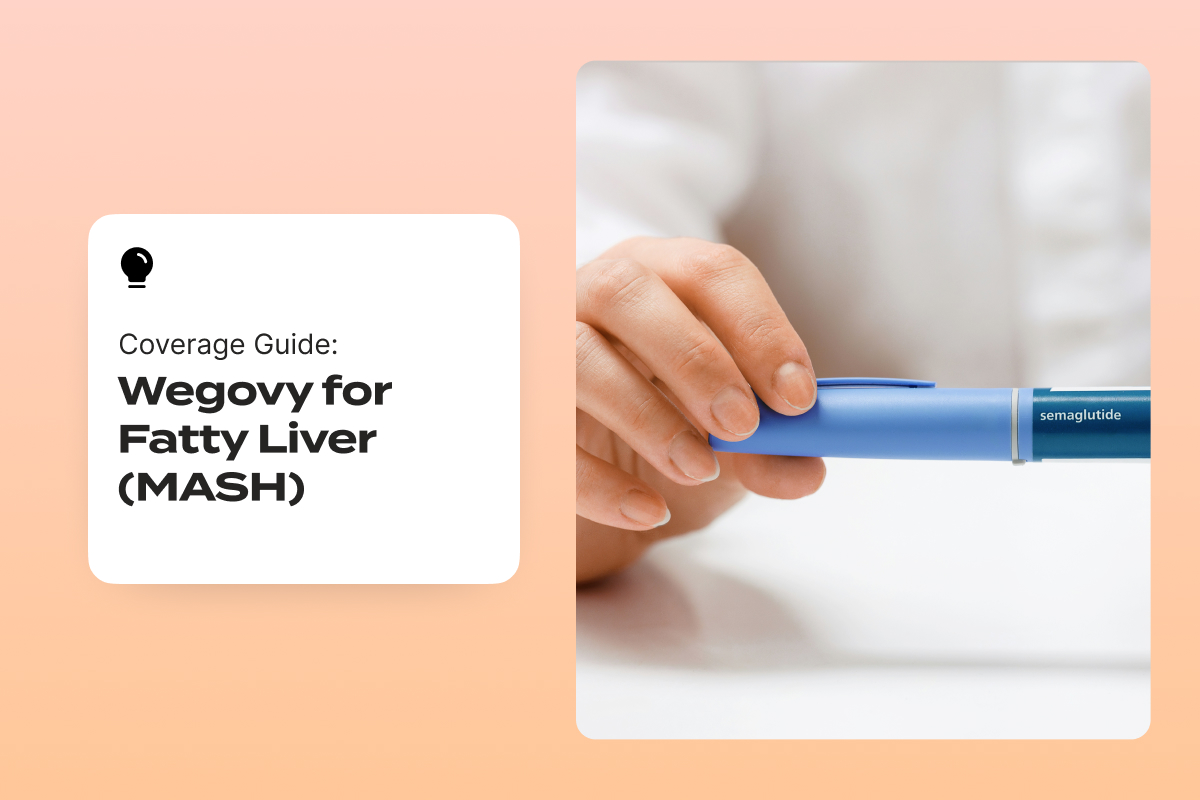
Wegovy Coverage for Fatty Liver: What to Know in 2026
Meta Description: Find out if your insurance covers Wegovy for fatty liver, what to do if you're denied, and how to build a winning appeal with the right documentation.
Some insurance plans do cover Wegovy for fatty liver disease, but coverage almost always requires prior authorization and specific documentation from your provider. If your plan denies the request, that denial is worth appealing — especially since Wegovy is the only GLP-1 medicine FDA-approved specifically for metabolic dysfunction-associated steatohepatitis (MASH).
Here's the reality: the coverage picture hasn't caught up to the science yet. The FDA approved Wegovy for MASH in August 2025, but many insurers are still running prior authorization workflows that were built around weight management. That gap between what's clinically approved and what's operationally covered is driving a wave of denials that don't hold up when challenged with the right evidence. (If your Wegovy denial is for weight loss rather than MASH, see our Wegovy coverage guide for weight management instead.)
There are real bright spots, though. Medicare now has a clear pathway for Wegovy when it's prescribed for MASH. CVS Caremark, which controls pharmacy benefits for tens of millions of Americans, kept Wegovy as its preferred GLP-1 in mid-2025 — creating a smoother path than many patients expect.
Whether you're trying to figure out if your plan will cover Wegovy before you fill the prescription, or you've already been denied and need to know what to do next, this guide walks through coverage requirements by plan type, the most common denial reasons, and exactly how to build an appeal that addresses each one.
Does Insurance Cover Wegovy for Fatty Liver (MASH)?
Sometimes, yes — but it's rarely automatic.
Coverage generally depends on whether Wegovy is on your plan's formulary, whether you've met your deductible, whether you meet your plan's prior authorization requirements, and whether the correct documentation is submitted with the initial request. That's a lot of "whethers," and each one is a point where things can go sideways without the right preparation.
Here's why the MASH indication matters so much: Wegovy (semaglutide 2.4 mg) is an injection FDA-approved to treat noncirrhotic MASH with moderate-to-advanced fibrosis (stages F2 to F3) in adults, used alongside diet and physical activity. It's the first and only GLP-1 therapy with FDA approval for MASH. That distinction is the foundation of most successful appeals — because even if your plan restricts GLP-1 coverage for weight loss, there may still be a clear path to get Wegovy covered for a liver disease.
One important thing to flag upfront: "fatty liver" is a broad term, and that matters more than you'd think. Wegovy's liver indication is specifically for MASH (metabolic dysfunction-associated steatohepatitis), not general fatty liver disease (MASLD/NAFLD), and it requires documented fibrosis staging of F2 or F3 without cirrhosis. If the documentation submitted to your insurer only says "fatty liver" without the MASH diagnosis and staging, reviewers will often deny simply because they can't confirm you meet the labeled criteria. That's not a judgment call about your health — it's a documentation gap that's entirely fixable.
What Insurers Typically Require for Coverage
Requirements vary by plan, but these are the most common things insurance wants to see before approving Wegovy for MASH. Call your insurance company or visit your member portal for your plan's specific criteria.
MASH diagnosis with fibrosis staging. Plans look for confirmed MASH (not just "fatty liver") with fibrosis stage F2 or F3, documented via biopsy or accepted noninvasive tests like FibroScan (vibration-controlled transient elastography) or MRE (magnetic resonance elastography). Some policies specify the test must be within a defined timeframe, such as the last 180 days.
Confirmation of noncirrhotic status. The FDA approval is specifically for noncirrhotic MASH. Documentation should confirm the absence of cirrhosis and rule out other excluded liver disease causes.
Provider specialty. Some plans require the prescription to be written by, or in consultation with, a gastroenterologist or hepatologist. Check your plan's specific criteria — this requirement catches people off guard.
Correct diagnosis coding. The Wegovy prescription should be coded under MASH (ICD-10 code K75.81) as the primary diagnosis, not obesity. This is a surprisingly common reason for preventable denials. If your prescription gets coded under an obesity diagnosis, you may trigger a weight-loss exclusion that has nothing to do with why you were actually prescribed the medication.
Adult age threshold. Most plans require documentation that the patient is 18 or older, consistent with the FDA approval.
A surprising number of denials happen not because the patient doesn't qualify, but because the right information exists in their medical records and simply isn't included in the PA submission — or isn't easy for the reviewer to locate. This is especially true for fibrosis staging reports. The evidence is there. It just needs to be in front of the right person, in the right format, at the right time.
The CVS Caremark Situation: An Advantage for Wegovy Patients
Unlike some other GLP-1s, Wegovy is in a strong position with CVS Caremark. Effective July 1, 2025, CVS Caremark made Wegovy the preferred GLP-1 on its Standard Control, Advanced Control, and Value formularies — the most common commercial formularies in the country.
For patients with CVS Caremark pharmacy benefits, this generally means easier PA approval for Wegovy compared to other GLP-1s, and often no step therapy requirement when prescribed for a covered indication. If your pharmacy benefits are managed by CVS Caremark, that's a meaningful advantage worth knowing about.
That said, preferred status on CVS Caremark's template formularies doesn't guarantee approval for MASH. Individual employer plans can still layer on their own coverage rules, and the PA criteria for the MASH indication may be different from — and newer than — the criteria for weight loss. Some employer plans also exclude GLP-1 coverage entirely, even when the PBM's template formulary includes them. (If you're dealing with a CVS Caremark denial related to the broader GLP-1 formulary shakeup, our guide to CVS Caremark GLP-1 denials covers that in detail.) The takeaway: check your specific plan, not just your PBM.
Medicare Coverage for Wegovy and MASH
Medicare Part D may cover Wegovy when prescribed specifically for MASH in adults. Medicare does not cover Wegovy for weight loss alone under current federal law, but the August 2025 MASH approval created a new coverage pathway alongside the existing cardiovascular indication (approved March 2024). Whether you're covered depends on whether your specific Part D plan has added Wegovy for MASH to its formulary — check using the Medicare.gov Plan Finder or call the number on your card. Prior authorization is almost always required, and Medicare Advantage plans vary in whether they've added MASH coverage. Note that the Medicare GLP-1 Bridge program launching in July 2026 covers Wegovy and certain other GLP-1s for weight loss only (through December 31, 2027, at a $50/month copay that does not count toward the Part D out-of-pocket cap) and does not apply to the MASH indication, so if you're prescribed Wegovy for MASH, your coverage path is through your Part D plan's standard formulary and appeal process. If your plan denies coverage, Medicare Part D has its own escalation path: redetermination within 60 days, then reconsideration by an Independent Review Entity (IRE), then ALJ hearing. The 2026 annual out-of-pocket cap for Part D is $2,100, and Novo Nordisk savings cards are not available to government-insured patients (Medicare, Medicaid, Tricare).
Common Denial Reasons and What to Do About Each One
When it comes to Wegovy for MASH, nearly every common denial reason can be challenged. The key is matching your response to the specific reason stated in your denial letter. Look for language under "why your request was denied" — that tells you exactly which playbook to follow.
Need help figuring out which reason applies to you and what strategy to use? Use Claimable's guided appeals tool to make it easy.
Prior Authorization Incomplete / Missing Documentation
What it looks like: "Insufficient information," "missing documentation," "clinical records not provided."
What to do: Contact your prescriber's office to find out exactly what was submitted. Compare it against your plan's requirements, then resubmit with a complete packet: MASH diagnosis, fibrosis staging report (FibroScan, MRE, or biopsy), confirmation of noncirrhotic status, and clinical rationale tied to the plan's criteria. The fibrosis staging report is the single most commonly missing document — make sure it's attached and easy to find. This isn't a rejection of your claim. It's a documentation gap, and it's the most straightforward denial to fix.
"Not Medically Necessary"
What it looks like: "Does not meet criteria," "not medically necessary."
What to do: Don't let that phrase intimidate you. "Not medically necessary" almost never means your doctor is wrong — it means the reviewer didn't see enough documentation to check the boxes on their criteria sheet. Get a copy of your plan's coverage criteria and compare it against your records point by point. File an appeal that directly addresses each criterion, especially noncirrhotic MASH with F2 to F3 fibrosis, and include a letter of medical necessity from your healthcare provider. Cite the specific test report page that confirms your staging. If your insurer's criteria don't align with FDA labeling or AASLD (American Association for the Study of Liver Diseases) clinical guidelines, flag that discrepancy in the appeal — it strengthens your case significantly.
Not on Formulary
What it looks like: "Not covered," "non-formulary," "preferred alternatives required."
What to do: Appeal and request a formulary exception. This is where Wegovy's unique position works strongly in your favor: it's the only GLP-1 approved for MASH. If the plan is suggesting another GLP-1 like Zepbound or Ozempic as an alternative, those drugs are not FDA-approved for MASH. That's not a matter of preference — it's a matter of labeled indication. A formulary exception typically requires your prescriber to submit a supporting statement explaining why the non-formulary medication is medically necessary for your specific condition.
Plan Exclusion / "Weight Loss Only"
What it looks like: "Plan excludes weight-related medications," "not a covered benefit."
What to do: This is one of the most frustrating denial types because it's fundamentally a mis-categorization. Wegovy prescribed for MASH is a treatment for liver disease, not a weight-loss prescription. Confirm with your provider that the PA was submitted under ICD-10 code K75.81 (MASH), not obesity (E66.x). If the coding was correct and the denial still cites a weight-loss exclusion, appeal and clearly distinguish between the two indications. Include your fibrosis staging documentation to make the MASH indication unambiguous. Insurers shouldn't be applying a weight-management exclusion to a liver disease, but some are — and appeals that clearly reframe the clinical picture have strong grounds.
Step Therapy / Alternative Required
What it looks like: "Must try X first," "step edit."
What to do: MASH now has another FDA-approved treatment option — resmetirom (Rezdiffra), approved in March 2024 for noncirrhotic MASH with F2 to F3 fibrosis. Some plans may require a trial of Rezdiffra before approving Wegovy, or may ask for clinical justification for choosing Wegovy over the alternative.
If you've already tried other treatments (Rezdiffra, lifestyle interventions, other medications for comorbidities), document those attempts in your appeal. If Rezdiffra isn't appropriate for your clinical situation — for example, due to contraindications, cost, or coexisting conditions where Wegovy's metabolic benefits are clinically relevant — have your prescriber explain that rationale directly.
Additionally, many states have step therapy protection laws that may limit your insurer's ability to enforce step therapy requirements. Check your state's specific protections — they exist for exactly this kind of situation.
How to Appeal a Wegovy MASH Denial
Most people can reverse a Wegovy denial for MASH when they appeal with the right argument, documentation, and clinical backing. The process is more straightforward than most patients expect — and filing the appeal yourself, rather than leaving it solely to your provider, often gives you stronger legal protections and more control over the timeline.
Your appeal should mirror the denial reason. Quote the denial reason directly, respond with the specific evidence that addresses it, and attach supporting documents with the relevant sections highlighted or flagged. Key documents to include: your denial letter, fibrosis staging report (FibroScan, MRE, or biopsy summary), MASH diagnosis notes, confirmation of noncirrhotic status, relevant clinic notes, and — strongly recommended — a letter of medical necessity from your prescribing provider.
Important deadline: Most commercial plans give you 180 days from the denial date to submit an internal appeal. Medicare Part D patients have 60 days. Mark the date and don't let it slip.
If your first appeal is denied, you can request a second-level internal appeal. After exhausting internal appeals, most plans are required by law to offer access to external review through an independent organization — and the insurer is bound by that decision. Your final denial letter should include instructions on how to request it.
How to Get Ahead of a Denial Before It Happens
If your doctor is considering prescribing Wegovy for MASH, you don't have to wait for a denial to start preparing. A little legwork upfront can save weeks of back-and-forth later.
What to ask your insurer (call the number on your insurance card): Is Wegovy covered for MASH under my specific plan? Is it on formulary, and if not, what's the exception process? What are the prior authorization criteria, and where is the PA form? What fibrosis staging methods does the plan accept (FibroScan, MRE, biopsy)? Is a hepatologist or gastroenterologist required to prescribe or co-sign? Where should the PA be submitted (portal or fax)? What are typical timelines, and what qualifies for an expedited review?
What to confirm with your provider before the PA is submitted: Fibrosis staging report is attached (F2 or F3 confirmed). Noncirrhotic status is explicitly documented. Diagnosis is coded under MASH (K75.81), not obesity. Clinical rationale ties directly to the plan's stated criteria. Submission goes to the correct portal or fax number.
Getting these details right the first time doesn't guarantee approval, but it removes the most common reasons insurers use to send you back to square one.
How Claimable Helps
Navigating insurance appeals is time-consuming and confusing — especially when you're dealing with a condition that could progress if coverage drags on. Claimable's appeals tool helps you identify the most likely reason behind your denial, build a customized appeal letter backed by clinical evidence, policy analysis, and relevant legal protections, automatically mail and fax your appeal to the right place, and escalate to the next level if your first appeal is denied.
Start your Wegovy MASH appeal with Claimable →
FAQs
Does insurance cover Wegovy for fatty liver (MASH)?Some plans do, but coverage typically requires prior authorization. Your provider will need to submit documentation including your MASH diagnosis, fibrosis staging (F2 to F3), and confirmation of noncirrhotic status. If your plan denies coverage, you have the right to appeal.
What do I do if insurance denies Wegovy for fatty liver?Get your denial letter and identify the specific reason. Common reasons include missing documentation, "not medically necessary," formulary exclusion, benefit exclusion, or step therapy requirements. File an appeal that directly addresses the stated denial reason with supporting evidence — particularly fibrosis staging documentation.
Why did insurance deny Wegovy for fatty liver?Common reasons include missing PA documentation, inability to confirm MASH with F2 to F3 fibrosis staging, non-formulary status, or the request being processed under a broad GLP-1/weight loss exclusion instead of a liver indication.
Does Medicare cover Wegovy for fatty liver?Medicare Part D may cover Wegovy when prescribed for MASH, since it now has an FDA-approved liver indication. Medicare does not cover Wegovy for weight loss alone. Coverage depends on whether your specific Part D plan has added Wegovy for the MASH indication to its formulary. Note that the Medicare GLP-1 Bridge program (launching July 2026) covers GLP-1s for weight loss only and does not apply to the MASH indication.
Does CVS Caremark cover Wegovy for MASH?As of July 1, 2025, Wegovy is CVS Caremark's preferred GLP-1 on its standard formularies. This generally means easier PA approval, though individual employer plans can still apply their own rules and MASH-specific PA criteria may apply.
Can I appeal a plan exclusion denial for Wegovy for MASH?In many cases, yes. Most benefit exclusions apply to weight-loss medications. Since Wegovy is FDA-approved for MASH, a prescription for liver disease should not fall under a weight-loss exclusion. Appeal and clearly distinguish between the MASH and weight-loss indications.
What is a formulary exception?A formulary exception is a request for coverage of a medication that isn't on your plan's list of covered drugs. For Wegovy and MASH, the exception argument is particularly strong because no other GLP-1 has FDA approval for MASH.
How long do I have to file an appeal?Most commercial plans give you 180 days. Medicare Part D patients have 60 days to request a redetermination. Check your denial letter for exact deadlines.
What clinical evidence supports Wegovy for MASH?The ESSENCE trial showed that 63% of patients on Wegovy achieved MASH resolution compared to 34% on placebo, and 37% had improvement in liver fibrosis compared to 22% on placebo. This was the basis for the FDA's August 2025 approval.
What's the difference between MASH and fatty liver?Fatty liver (MASLD, previously NAFLD) is the broader condition, referring to fat buildup in the liver. MASH (metabolic dysfunction-associated steatohepatitis, previously NASH) is a more advanced stage where fat buildup causes inflammation and liver cell damage, which can progress to fibrosis or cirrhosis. Wegovy is approved specifically for MASH with F2 to F3 fibrosis, not for general fatty liver.
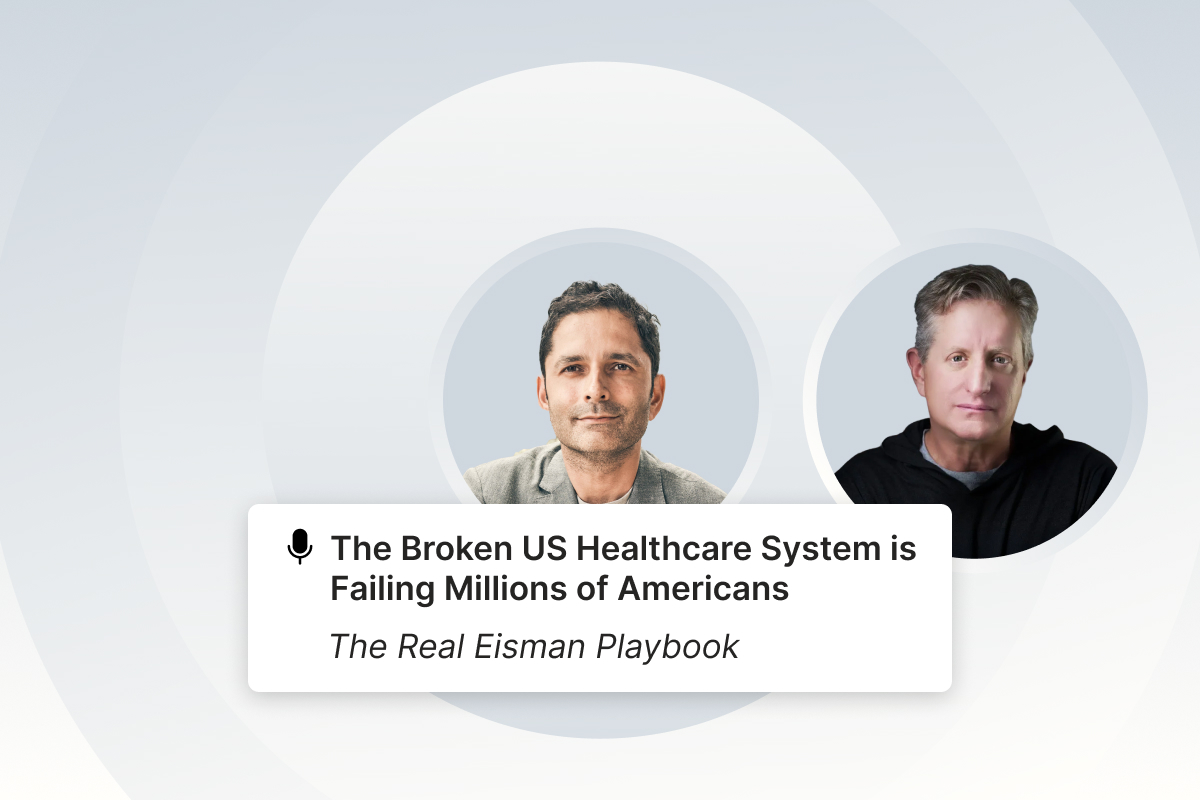
5 Key Takeaways from CEO Warris Bokhari on The Real Eisman Playbook
Health insurance is supposed to make medical care predictable. But for tens of millions of Americans each year, it becomes the opposite: a source of uncertainty, delay, and financial shock.
In a recent episode of The Real Eisman Playbook, Claimable CEO Warris Bokhari joined host Steve Eisman for a wide-ranging conversation about health insurance denial rates, what's driving them, and why the denial-and-appeal process often feels stacked against patients and providers. This post recaps the biggest themes from the episode – and what they mean for both healthcare workers and patients navigating care.
Note on sourcing: the statistics and examples below are presented as they were discussed in the episode and attributed accordingly.
What's inside – and what surprised us
A few observations from Bokhari stood out, highlighting how the system of denials is complex and layered – going beyond just denying care.
- The AI denial problem goes deeper than it looks. Bokhari's critique reveals that insurers can apply stale or poorly maintained policies at machine speed with AI, scaling old criteria and mismatched reviews faster than patients can respond.
- The system relies on you not fighting back. Bokhari argued that denial economics work because appeal rates stay tiny. If more people appeal, insurers face real cost and operational friction – quickly.
- Administrative delay is a strategy, not a side effect. Beyond initial denials, Bokhari described time-reset tactics that push payment further out and increase paperwork burden – especially crushing for small practices.
What are health insurance denial rates – and why do they matter?
Health insurance denial rates refer to the percentage of medical claims that are initially denied by an insurer. A denial can mean "not medically necessary," "not on formulary," "out of network," "missing documentation," or "needs step therapy," among other reasons. Importantly, "denied" often doesn't mean the care is inappropriate – it can mean the plan's rules, paperwork, or policy logic blocked payment.
In the episode, Bokhari points to denial rates in the mid-teens on average (he references ~17%; other figures discussed vary by segment), and he highlights the scale effect: the U.S. processes roughly 5 billion claims annually, so a ~17% denial rate implies roughly 850 million denials in a year – impacting an estimated 70–90 million Americans.
5 key takeaways from the episode
1) Denials are a scale problem, not a rare exception
One of the strongest points from the conversation was sheer magnitude. Bokhari cited the U.S. processing roughly 5 billion claims annually and described how even a "mid-teens" denial rate becomes an enormous number of denied claims in practice – around 850 million a year – impacting an estimated 70–90 million Americans.
But his argument wasn't limited to outright denials. He described a broader category of coverage friction that functions like denial in practice, interrupting care and payment even when the underlying treatment may be appropriate. These "deny-by-delay" tactics include:
- Shift delay / prompt-pay resets: insurers can request new information or submit an "edit" that resets the clock on when payment is due – extending the float and increasing paperwork.
- Predetermination: essentially prior authorization under another name – an added gate that may not guarantee coverage but still slows everything down.
- Clawbacks: care is approved and delivered, then months later the insurer reverses course and demands money back – creating major liquidity risk for providers.
Why it matters: when friction happens at scale, it becomes a population-level access barrier, not just an individual inconvenience. The result is delays for patients, administrative drag for providers, and a system that quietly shifts "care access" from clinical fit to coverage navigation.
2) Appeals can work – yet almost nobody files them
A core tension in the episode: denials may be common, but successful appeals can also be common. Bokhari referenced public reporting suggesting roughly ~50% of appealed denials can be overturned, while describing much higher outcomes in certain categories (including an anecdote from an insurance executive claiming extremely high overturn rates, and Claimable's experience in specific areas).
Then came the headline problem: fewer than 1% of denied cases are appealed – because the process is confusing, time-consuming, and hard to manage while sick.
Why it matters: low appeal volume functions like "silent acceptance." It allows friction to become a form of de facto cost control – without necessarily reflecting whether care is clinically appropriate.
3) AI is accelerating decisions—and scaling policy mistakes
The episode repeatedly returned to speed. Bokhari described claim decisions happening in seconds (he cites examples as fast as ~1.2 seconds) and argued insurers increasingly use automation to deny quickly – sometimes with logic that is outdated, inconsistently applied, or poorly matched to a patient's situation.
His point wasn't just "automation is bad." It's that bad policy applied quickly becomes a multiplier: the faster it runs, the more people it hits, and the more downstream rework it creates.
Why it matters: faster denials don't just arrive faster – they create cascading work: more paperwork, more resubmissions, more calls, more delays to treatment. That variability hits hardest in specialty and high-stakes care where timing matters.
4) Denial rates are tied to incentives—especially short-term risk vs. long-term illness
Bokhari offered a blunt framing: health insurance is often treated like a short-term financial product, while many medical needs are long-term realities. On the commercial side, he argued insurers may carry someone for roughly 18–24 months on average – job changes and plan switching—creating misaligned incentives when care is expensive and benefits accrue over years.
That incentive mismatch becomes especially acute as treatments improve (and cost more), including in oncology – something Bokhari says is increasingly showing up in what he's seeing.
Why it matters: when incentives reward delay or denial, "coverage" becomes unpredictable at the point of need. Patients face uncertainty. Providers and hospitals carry working-capital strain. And employers – who ultimately fund a lot of this – often don't realize how plans actually operate until a catastrophic case forces visibility.
5) If appeals rise from <1% to ~3%, the denial model starts to break
This was one of Bokhari's most distinctive system-level claims: the denial/appeal equilibrium depends on appeals staying rare. He described appeals as operationally expensive for insurers (he cites internal conversations suggesting roughly hundreds of dollars per appeal to process, potentially far more when claim files or escalation are involved).
His broader argument: if you move appeals from less than 1% of denials to even ~3%, insurers can't treat denials as cheap friction anymore. Processing burden rises, economics change, and blanket "deny fast" strategies become harder to sustain.
Why it matters: this reframes appeals as more than individual advocacy. If enough people appeal, it becomes a system lever – changing incentives, not just single outcomes.
Watch the full conversation
If you want the full context—including the personal stories, the incentive mechanics, and the discussion of how denial tactics spill into provider finance and consolidation—watch the episode here:
The Real Eisman Playbook featuring Claimable CEO Warris Bokhari (YouTube)
Closing thought
A denial can feel like a verdict – especially when it arrives quickly and without clear explanation. The episode's larger point is that denial rates aren't just an individual frustration; they're a structural feature of how coverage operates today.
And when more people understand that appeals can work – and that higher appeal volume changes incentives—the system's "deny fast, few fight back" equilibrium starts to weaken.
If you've faced a denial: you're not alone—and you're not powerless.
Featured stories


Download a winning sample appeal
Want to see what it takes to successfully overturn a health insurance denial? Download our sample appeal to learn how we build strong, evidence-based cases that get results.
///////////////////////////////////////////////////////////////////////
//////////////////////////////////////////////////////////////////////////
////////////////////////////////////////////////////////////////////
/////////////////////////////////////////////
Each month, I endure about eight major episodes, each one leaving me exhausted, unable to concentrate, and too unwell to take part in daily life.
The frequency and unpredictability of these symptoms have isolated me socially and limited my capacity to take part in activities most people take for granted.
///////////////////////////////////////////////////////////////////////
//////////////////////////////////////////////////////////////////////////
////////////////////////////////////////////////////////////////////
/////////////////////////////////////////////
Be the first to know
Get the latest updates on new tools, inspiring patient stories, expert appeal tips, and more—delivered to your inbox.
You're on the list!

One of our core principles is to help patients protect their rights and level the playing field with their insurance company. This includes rights to multiple appeals, fair reviews, decision rationale, exceptions when needed, and adequate network access, among others. For more, read our post on patients rights.
For many medications, there's no cost to use Claimable to appeal for qualifying patients – thanks to our network of support partners working to expand access to care.
If you aren't eligible for a no cost appeal, Claimable charges a flat fee of $39.95 + shipping. One simple, straightforward price – no success fees or hidden charges. If appealing with Claimable is unaffordable for you, visit our nonprofit partner Coverage Fund.
Check how much Claimable will cost for your specific situation by starting an appeal and entering your insurance information. So you always know what to expect ahead of time – no surprises.
Claimable’s AI-powered platform analyzes millions of data points from clinical research, appeal precedents, policy details, and your personal medical story to generate a customized appeals in minutes. This personalized approach sets Claimable apart, combining proprietary and public data, advanced analysis and your unique circumstances to deliver fast, affordable, and successful results.
We currently support appeals for over 85 life-changing treatments. Denial reasons may vary from medical necessity to out of network, and we even cover special situation like appealing plans that won’t count your copay assistance towards your deductible (hint: those policies were banned at the federal level in 2023). That said, we are rapidly growing our list of supported conditions, treatments and reasons. You can quickly check eligibility and ask to be notified when your interest becomes available. It helps us know where to focus next 🙂
We think about appeal times in a few ways. First, many professional advocates and experienced patients spend 15, 30 or even 100 hours building an appeal–but with Claimable, this takes minutes. We automate the process of analyzing, researching, strategizing and wordsmithing appeals. Next, there is the process of figuring out where you will send it (hint: expand your reach beyond appeal departments), then printing, mailing and/or faxing your submission. We handle that, too. Finally, there is the time it takes to get a decision. We request urgent reviews when appropriate, and typically receive standard appeal decisions within a couple weeks.
Review periods are mandated by applicable laws, from 72 hours for urgent, 7 days for experimental, 30 days for upcoming and 60 days for received services. Our goal is to get a response as fast as possible, since most of our clients are experiencing long care delays or extreme pain and suffering.
Claims are denied for a variety of reasons, many of which blur definitions. We focus on helping people challenge denials by proving care is needed and meets clinical standards, in addition to addressing specific issues like experimental treatments, network adequacy, formulary or site of care preference exceptions. We don't support denials for administrative errors or missing information, as we think those are best handled by simply resubmitting the claim in partnership with your provider. That said, many of our most rewarding successes have been cases previously though 'unwinnable', with providers and patients who fought tirelessly for months without appropriate response or resolution.
A denial letter is a formal notice from your insurance company explaining why a claim was denied and how you can appeal the decision. Sometimes the notice is included within an Explanation of Benefits. It is a legal requirements; if you didn’t receive one, contact your insurance company.
A letter of medical necessity is a statement from your doctor justifying why a specific treatment is critical to your care and/or urgently needed. You can attach it to your patient appeal to strengthen your case, especially if you are requesting an urgent appeal or need to skip standard ‘step therapy’ requirements. That said, we don’t require them and are often successful without them.
A claim file contains all the documents and communications your health plan used to decide whether to approve or deny your claim. Most health plans are legally required to share this information upon request. According to a ProPublica investigation, reviewing your claim file can help expose mistakes or misconduct by your health plan, which can make your appeal stronger.
Your insurer is required by law to give you written information about how to appeal, including the name of the company that reviewed your claim and where to send your appeal. Your health insurer may work with other companies, such as Pharmacy Benefit Managers (PBMs), Third-Party Administrators (TPAs), or Specialty Pharmacies, to manage your claims. These companies might be responsible for denying your claim and handling the appeal process on behalf of your insurer.
If you don't win your first appeal– don't give up! Many people are successful on their 2nd, 3rd or even 4th try, and future appeals are reviewed by independent entities. That said, we wrote a whole guide to understanding your options, including escalating your appeal and seeking other assistance for covering costs, forgiving debt or even seeking legal or regulatory support.
While both denial rates and appeal success rates vary widely by the type of health plan, state, and insurance company, studies have shown more than 50% of people win their appeal–and we apply strategies to boost your chances of success. Claimable has an 80% appeal success rate. The biggest denial challenge is that most people never appeal–allowing unjust denials to control their healthcare options because they are unaware of their rights or lack the support needed to fight back. No one needs to fight alone–Claimable is here to help. We know first hand that many denials are based on errors, inconsistencies or auto-decisions, and have proven strategies for fighting back against this injustice.
Let’s get you covered.